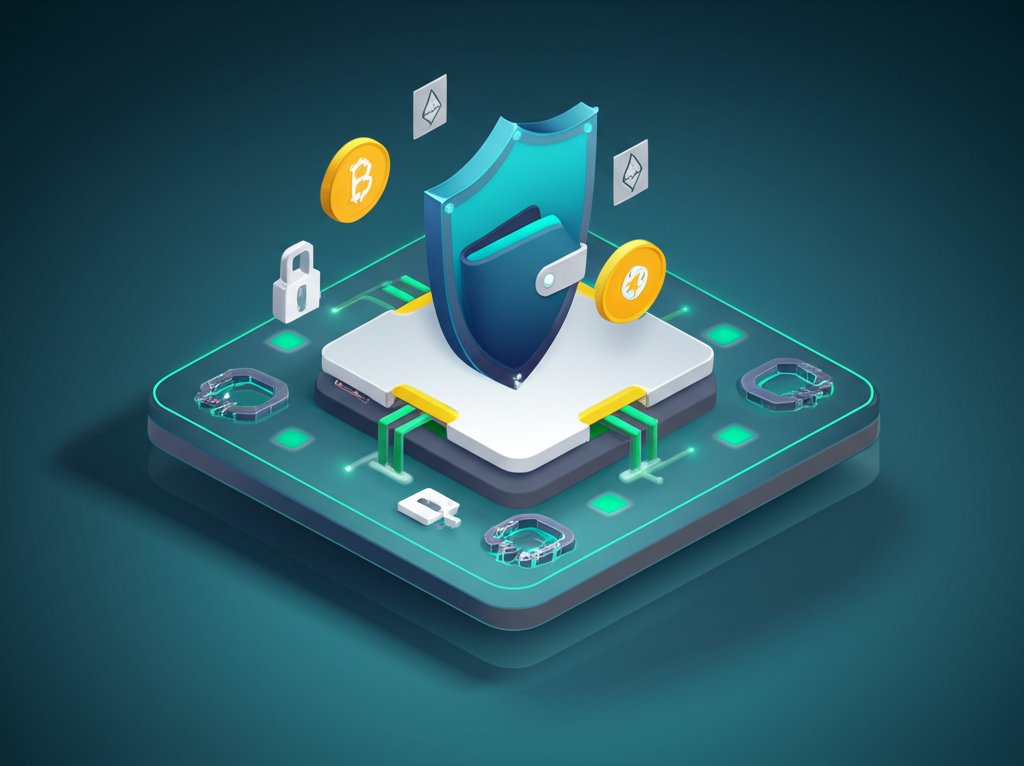
The digital wild west of cryptocurrency is thrilling, offering unprecedented financial freedom and opportunity. But it's also a high-stakes arena where fortunes can vanish in an instant. In 2023 alone, over $1.7 billion in crypto was stolen through hacks and scams, a chilling reminder that your digital assets are only as secure as the methods you use to protect them. This grim reality is precisely why understanding what is a hardware wallet isn't just smart; it's essential for anyone serious about safeguarding their investment.
If you hold cryptocurrency, you're responsible for its security. Unlike traditional banks that secure your money for you, the decentralized nature of crypto puts the onus squarely on your shoulders. And in this landscape, a hardware wallet stands as the gold standard for personal crypto security.
At a Glance: Your Hardware Wallet Essentials
- Offline Security: It's a physical device that keeps your private crypto keys completely offline, away from internet-connected threats.
- Malware Resistant: Because your keys never touch the internet, they're immune to online hacks, malware, and phishing attempts targeting your computer.
- You Control Your Keys: It gives you true ownership of your crypto, as only you possess the keys that control your assets on the blockchain.
- Seed Phrase Backup: A critical recovery phrase (12-24 words) allows you to restore your funds if your device is lost or damaged.
- Multi-Currency Support: Most modern hardware wallets support a wide range of cryptocurrencies, from Bitcoin and Ethereum to countless altcoins.
- Essential for Serious Holders: Ideal for anyone holding significant amounts of crypto or planning to HODL for the long term.
The Problem: Why Your Crypto Isn't Safe in a "Hot Wallet"

Before we dive into the solution, it's crucial to understand the fundamental vulnerability a hardware wallet solves. Most casual crypto users start with what's called a "hot wallet" – a crypto wallet connected to the internet. This could be an exchange account (like Coinbase or Binance), a mobile app, or a desktop software wallet.
While convenient for frequent transactions, hot wallets carry inherent risks:
- Exchange Hacks: Centralized exchanges are attractive targets for hackers, and billions have been lost this way. If an exchange is compromised, your funds might be too.
- Malware & Viruses: Your computer or smartphone can be infected with malware that scans for wallet files, keyloggers that capture your passwords, or phishing scams that trick you into revealing your private information.
- Phishing Attacks: Sophisticated fake websites or emails can trick you into entering your wallet credentials, giving scammers direct access to your funds.
- Human Error: Accidentally sending funds to the wrong address or falling for a scam email are common pitfalls.
In essence, any wallet that regularly connects to the internet is exposed to a vast array of digital threats. To truly protect your assets, you need to disconnect them from this digital minefield.
Decoding the Core: What Is a Hardware Wallet, Really?

At its heart, what are hardware wallets? They are specialized electronic devices, often resembling a USB stick, purpose-built to store your cryptocurrency's private keys in an isolated, offline environment. Think of it as a super-secure, digital safe for the most crucial piece of your crypto puzzle: your private keys.
To grasp their power, let's quickly review how crypto ownership works. When you "own" Bitcoin or Ethereum, you don't literally have coins stored on your device. What you own are the private keys that control specific addresses on the blockchain where your crypto resides.
- Public Key (Your Bank Account Number): This is your wallet address, which you share with others so they can send you crypto. It's public and safe to share.
- Private Key (Your PIN or Password to Your Bank Account): This is a secret alphanumeric code that proves you own the crypto at a specific public address and allows you to authorize transactions (send crypto). If someone gets your private key, they effectively own your crypto.
A hardware wallet generates and securely stores these critical private keys inside its physical chip. Critically, these keys never leave the device and never touch the internet when you're making a transaction. This "air gap" isolation is the secret sauce behind their superior security.
How a Hardware Wallet Works Its Magic
When you want to send crypto, here's the simplified process:
- You Initiate a Transaction: You connect your hardware wallet to your computer or smartphone and use its companion software (e.g., Ledger Live, Trezor Suite) to create a transaction (e.g., "send 0.1 BTC to Address X").
- The Transaction Goes to the Device (Not the Keys): The unsigned transaction details are sent to the hardware wallet itself.
- You Verify & Authorize: On the hardware wallet's small screen, you review the transaction details (recipient, amount, fees). You then physically confirm and authorize the transaction using buttons on the device, often by entering a PIN.
- The Device Signs the Transaction: Internally, and completely offline, the hardware wallet uses your private key to "sign" the transaction. This cryptographic signature proves you own the funds without ever revealing the private key to your computer or the internet.
- Signed Transaction Sent Back: The signed transaction (not your private key) is then sent back to your computer/phone and broadcast to the blockchain for processing.
The brilliance here is that even if your computer is riddled with malware, the private key remains locked away in the hardware wallet's secure chip. The hacker can see the transaction, but they can't access the key needed to sign it or move your funds. Without physical access to your hardware wallet and its PIN, your funds are safe.
The Undeniable Benefits of Embracing Hardware Wallet Security
Beyond merely protecting against hacks, opting for a hardware wallet provides a host of advantages that empower you with true ownership and peace of mind.
1. Offline Storage: Your Keys are Air-Gapped
This is the cornerstone benefit. By keeping your private keys physically isolated from any internet connection, your hardware wallet effectively creates an "air gap" between your funds and online threats. Malware, phishing sites, and remote hackers simply cannot reach your keys. This makes it impervious to the vast majority of digital attacks that plague hot wallets.
2. Device Isolation: Keys Never Leave the Wallet
When you sign a transaction, the sensitive private key never leaves the secure element within the hardware wallet. It performs the cryptographic signing operation internally, then sends out only the signed transaction. Your computer, even if compromised, never gets a glimpse of your private key. This isolation is a critical defense layer.
3. Multi-Currency Support: Consolidate Your Holdings
Modern hardware wallets aren't just for Bitcoin. Most support hundreds, if not thousands, of different cryptocurrencies and tokens (e.g., Ethereum, Litecoin, XRP, various ERC-20 tokens). This means you can secure your entire diversified portfolio on a single, secure device, simplifying your security strategy.
4. Backup & Recovery: Your Seed Phrase is Your Lifeline
Every hardware wallet generates a "seed phrase" (also known as a recovery phrase or mnemonic phrase), typically a sequence of 12, 18, or 24 random words. This phrase is the master key to your funds.
- Redundancy: If your hardware wallet is lost, stolen, or damaged, you can use your seed phrase to restore access to your crypto on a new hardware wallet (even one from a different brand, thanks to industry standards like BIP39).
- Critical Backup: This makes the seed phrase the most important piece of information you'll ever generate for your crypto. Its security is paramount.
5. PIN and Passphrase Protection: Physical Security Layers
In addition to offline key storage, hardware wallets are protected by a PIN, which you must enter on the device itself to access it. Many also offer a "passphrase" feature – an extra word or phrase that, when added to your seed phrase, creates a completely separate set of wallets. This provides an additional layer of plausible deniability and security against sophisticated attackers.
Getting Started: How to Use a Hardware Wallet Safely
The journey to superior crypto security begins with setting up your hardware wallet correctly. This isn't rocket science, but precision and adherence to best practices are critical. To understand the full scope of the process, you might want to delve into how to use hardware wallets.
Here's a general walkthrough:
Step 1: Purchase Directly from the Manufacturer or Authorized Reseller
This is the most crucial step. Never buy a used hardware wallet, and always purchase directly from the official website of the manufacturer (e.g., Ledger.com, Trezor.io) or from their verified, authorized resellers. Why? Because a compromised device, tampered with before it reaches you, could put your funds at risk. Avoid third-party marketplaces (like Amazon or eBay) unless you are absolutely certain of the reseller's authenticity.
Step 2: Initialize Your Device and Generate Your Wallet
Once you receive your device, power it on. It will guide you through an initialization process, which involves:
- Setting a PIN: Choose a strong, unique PIN (4-8 digits, sometimes more) directly on the device. Remember this!
- Generating a New Wallet: The device will then generate a new set of private keys and a corresponding seed phrase for you. Never use a pre-generated seed phrase.
Step 3: Write Down Your Seed Phrase – The RIGHT Way
This is arguably the most important security practice. Your hardware wallet will display your seed phrase, typically 12, 18, or 24 words, one by one.
- Physical Medium Only: Carefully write down each word in the correct order on the recovery sheets provided. Use multiple copies if desired.
- Never Digital: Absolutely never take a photo of your seed phrase, type it into a computer, store it in the cloud, or save it as a text file. Any digital copy is a liability.
- Verify: Most wallets will ask you to confirm a few words from your seed phrase to ensure you've copied it correctly. Take your time.
Step 4: Store Your Seed Phrase Securely
Once written, your seed phrase needs to be stored in multiple, secure, offline locations that only you know about. Think fireproof safes, safety deposit boxes, or secure physical locations. This phrase is the ultimate backup. If it's compromised, your funds are compromised.
Step 5: Connect to Companion Software and Manage Assets
Your hardware wallet will connect to your computer or smartphone via USB or Bluetooth and integrate with a companion application (e.g., Ledger Live, Trezor Suite, MetaMask with hardware wallet integration).
- Install Official Software: Only download this software from the official manufacturer's website.
- Receive Crypto: Use the companion software to generate public receiving addresses. Verify these addresses on your hardware wallet's screen before sending funds to them. This ensures no malware has swapped the address on your computer screen.
- Send Crypto: When you want to send crypto, you'll initiate the transaction in the software, but the critical signing step will always happen securely on your hardware wallet itself, requiring your physical confirmation.
Step 6: Update Firmware Regularly
Hardware wallet manufacturers frequently release firmware updates to add new features, support new cryptocurrencies, and, critically, patch security vulnerabilities. Always update your device's firmware when prompted, following the official instructions carefully. Your seed phrase is your backup during updates, so ensure it's secure beforehand.
Common Mistakes to Avoid When Using a Hardware Wallet
Even with the best technology, human error is often the weakest link. Steering clear of these pitfalls is essential:
- Buying from Unofficial Sellers: As mentioned, this is a direct path to receiving a tampered device. Stick to official channels.
- Taking a Photo or Digital Copy of Your Seed Phrase: This defeats the entire purpose of offline security. If your phone or cloud storage is hacked, your crypto is gone.
- Entering Your Seed Phrase Online: No legitimate hardware wallet software will ever ask you to enter your seed phrase directly into a computer or website. This is almost always a phishing scam. Only ever enter your seed phrase directly onto the hardware device itself, and typically only during initial setup or recovery.
- Neglecting Firmware Updates: Outdated firmware can contain known vulnerabilities that hackers could exploit.
- Sharing Your Seed Phrase or PIN: Your seed phrase is your secret; your PIN is your secret. Never share them with anyone, under any circumstances. Support staff will never ask for them.
- Not Verifying Receiving Addresses on the Device: Always double-check that the address displayed on your computer screen matches what's shown on your hardware wallet's small display before confirming a transaction. Malware can sometimes swap addresses.
- Ignoring Your Seed Phrase Backup: Treat your seed phrase like a physical bearer bond. If you lose it and your device breaks, your funds are gone forever.
Advanced Security: Taking Your Protection to the Next Level
For those with substantial crypto holdings, layering on additional security measures is wise.
- Enable a Passphrase (25th Word): Many wallets allow you to add an optional "25th word" passphrase to your seed phrase. This creates a hidden wallet accessible only with the passphrase. Even if someone finds your seed phrase, they won't find your primary funds without the additional passphrase. Just remember: if you forget the passphrase, your funds are unrecoverable.
- Multiple Secure Storage Locations for Seed Phrase: Don't keep all your eggs in one basket. Store copies of your seed phrase in separate, geographically dispersed secure locations (e.g., home safe, bank safety deposit box).
- Consider Metal Seed Phrase Backups: For ultimate durability against fire and water, consider etching or stamping your seed phrase onto metal plates.
- Use Trusted, Dedicated Computers: If possible, use a clean, regularly updated computer solely for managing your crypto, or at least be highly cautious about the security of the device you connect your hardware wallet to.
- Learn About Multisig (Multi-Signature) Wallets: For very large holdings, multisig wallets require multiple private keys (held by different people or on different devices) to authorize a transaction, adding an extremely high level of security. Some hardware wallets support multisig setups.
Popular Hardware Wallet Brands: A Quick Overview
The hardware wallet market offers several reputable options, each with its own strengths.
- Ledger (Nano S Plus, Nano X): One of the most popular brands, known for its sleek design, broad coin support, and user-friendly Ledger Live software. The Nano X offers Bluetooth connectivity, making it convenient for mobile use.
- Trezor (Trezor One, Trezor Model T): Another pioneer in the space, Trezor is highly regarded for its commitment to open-source firmware, allowing security researchers to scrutinize its code. The Model T features a full-color touchscreen.
- Coldcard (Mk4): Specifically designed for Bitcoin cold storage, Coldcard is favored by Bitcoin maximalists for its emphasis on air-gapped transactions (often via microSD cards) and robust security features tailored for high-stakes Bitcoin storage.
- KeepKey: Offers a simple, large display interface and integrates well with ShapeShift for easy crypto exchanges.
- SafePal: Known for its mobile-first approach, offering both hardware and software wallet solutions that integrate seamlessly.
When choosing a hardware wallet, consider factors like coin support, user interface, build quality, and your specific security needs (e.g., Bluetooth for mobile, open-source preference, Bitcoin-only focus).
Who Needs a Hardware Wallet? And When is it Right for You?
While the benefits are clear, a hardware wallet might not be the only solution for every single crypto interaction. It's about finding the right tool for the job.
You should strongly consider a hardware wallet if:
- You Hold Significant Amounts of Crypto: If your crypto holdings represent a substantial portion of your net worth, the investment in a hardware wallet (typically $50-$200) is a minuscule price for peace of mind.
- You're a Long-Term Holder (HODLer): If you plan to buy crypto and hold it for months or years, the infrequent access makes a hardware wallet ideal. You secure it, store it, and rarely need to expose your keys.
- You Prioritize Maximum Security: For anyone who wants the highest possible level of self-custody security, a hardware wallet is non-negotiable.
- You Value True Ownership: To truly embody the "not your keys, not your crypto" mantra, controlling your private keys offline is paramount.
When a Hybrid Approach Might Be Best:
For those who trade frequently or need quick access to smaller amounts of crypto for daily spending, a combination approach often works best: - Hardware Wallet for "Savings": Secure the vast majority of your crypto (your long-term holdings) on your hardware wallet.
- Hot Wallet for "Spending": Keep a smaller, more accessible amount in a hot wallet (like a mobile wallet or an exchange account) for active trading, quick payments, or small daily transactions. This way, if your hot wallet is compromised, only a limited amount is at risk.
Your Next Step: Taking Control of Your Crypto Security
Understanding [placeholder_link slug="what is a hardware wallet"] is the first crucial step toward taking full ownership and responsibility for your digital assets. In a world where digital theft is an ever-present threat, relying solely on online solutions is an unnecessary gamble.
By investing in a hardware wallet and diligently following best practices, you move beyond mere hope and actively build a robust fortress around your cryptocurrency. Don't wait for a costly hack to realize the value of offline security. Empower yourself with the knowledge and tools to protect your hard-earned digital wealth today. Your future self (and your portfolio) will thank you.