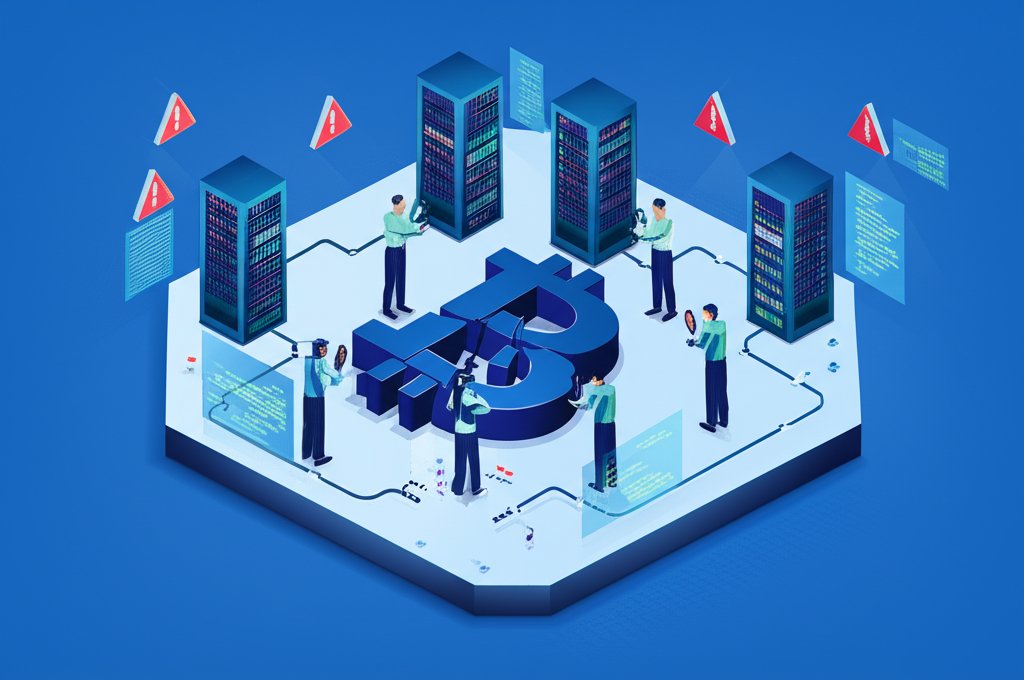
The world of decentralized finance moves at a dizzying pace, and staying connected through a platform like Status, which offers mobile access to Ethereum DApps and private messaging, is increasingly vital. Yet, even with the most advanced mobile gateways to Web3, users often interact with a broader ecosystem that includes various staking services. When these services, which underpin much of the crypto economy, experience disruptions, it sends ripples through the entire community. Understanding how to navigate these often-unsettling periods, what causes them, and what steps you can take is critical for anyone active in the status crypto sphere.
Navigating the ebb and flow of staking and service disruptions requires a blend of vigilance, technical understanding, and strategic patience. While the core promise of blockchain technology is resilience, the complex web of integrations, third-party providers, and network upgrades means that temporary hitches are an inherent part of the journey. This guide delves into the common types of disruptions, using real-world scenarios to illuminate their impact, and equips you with practical strategies to protect your interests and maintain your composure.
At a Glance
- Diverse Disruption Types: From network upgrades to API glitches and third-party provider issues, understand the common causes of staking and service interruptions.
- Impact on Staking: Learn how different disruptions can affect deposit/withdrawal access, reward distribution, and overall staking operations.
- Proactive Preparedness: Discover essential steps to take before an incident, including platform research and diversification strategies.
- Actionable Response: Get a clear playbook for verifying information, assessing risks, and responding effectively during an active disruption.
- Safeguarding Funds: Understand that "service disruption" doesn't always mean "funds at risk," and how to differentiate between them.
The Unavoidable Truth: Why Crypto Services Face Interruptions

Even the most robust crypto platforms and decentralized networks aren't immune to operational snags. The underlying infrastructure of blockchain is a marvel of engineering, but it's also incredibly complex, relying on intricate layers of code, inter-protocol communication, and external service providers. This complexity, combined with the rapid pace of innovation and decentralization, creates numerous potential points for temporary interruptions.
Consider the ongoing evolution of major blockchains like Ethereum or interconnected parachains like Kusama. These networks are constantly undergoing upgrades to improve security, scalability, and functionality. Each upgrade, while beneficial in the long run, requires careful coordination across thousands of nodes and integrated services. A minor delay in one component, or an unforeseen bug during a migration, can temporarily halt services that rely on that chain, including staking. Furthermore, the reliance on third-party API services for wallet operations, user interfaces, and even validator management introduces additional dependencies. If one of these external links falters, it can cascade into service disruptions for end-users, affecting everything from depositing new funds to claiming rewards.
Unpacking Key Disruption Scenarios Affecting Staking
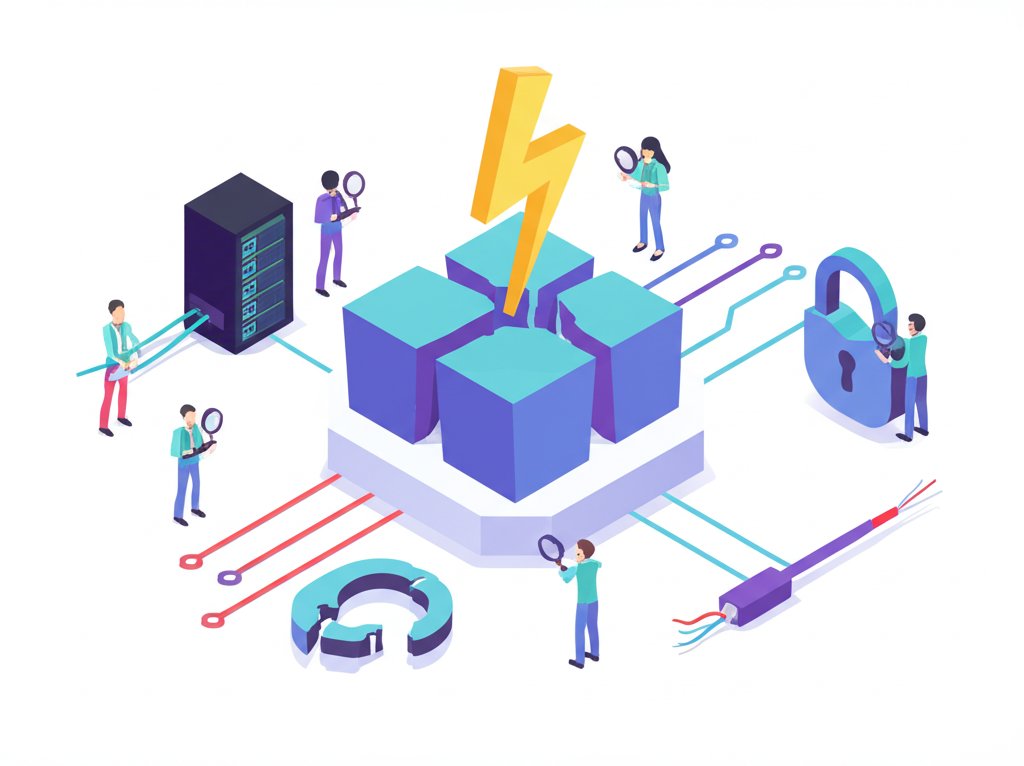
When we talk about service disruptions in the crypto world, particularly concerning staking, we're not dealing with a monolithic issue. Instead, various root causes lead to different types of interruptions, each with its own specific implications for users. Understanding these distinctions is crucial for anyone engaging with staking, whether directly or through a platform integrated with such services.
Network Upgrades & Chain Migrations: The Evolutionary Pauses
Blockchain networks are living entities, constantly evolving. Major upgrades often involve changes to the core protocol, which can necessitate a temporary pause in certain activities.
- The Scenario: Imagine a network like Kusama (KSM) undergoing a significant upgrade to support a new "Asset Hub." This isn't just a software patch; it's a fundamental shift in how assets are managed on the chain. During such a transition, platforms offering KSM staking might need to suspend operations to ensure a smooth, secure migration.
- Impact on Users: For KSM stakers, this typically means staking and unstaking services are temporarily suspended. Crucially, your staked assets remain secure on the network, but you can't initiate new stakes, unstake existing ones, or claim rewards until the platform has successfully integrated the upgraded chain. Your rewards might also be affected or delayed during this period as the system adjusts.
- User Takeaway: These are often proactive, planned disruptions aimed at long-term improvement. Monitor official announcements for timelines and expected impact. Your funds aren't necessarily "lost," but access and activity are paused.
API/Wallet Integration Glitches: The Digital Roadblocks
Even when the underlying blockchain is running perfectly, the interfaces we use to interact with it can sometimes hit a snag. APIs (Application Programming Interfaces) are the digital bridges that allow different software systems to communicate.
- The Scenario: A major platform's "Onchain Wallet Earn" program, particularly for ETH staking pools, experiences potential API issues. This could manifest as a halt in deposit or withdrawal operations for those specific pools. The underlying Ethereum validators, however, might continue to operate without issue.
- Impact on Users: You might be unable to deposit new ETH into a staking pool or withdraw your existing stake. Your active stake, though, continues to earn rewards because the problem lies in the interface to the staking service, not the staking process itself on the blockchain.
- User Takeaway: Differentiate between an API issue (access problem) and a validator issue (performance problem). If validator operations are unaffected, your primary concern is usually temporary illiquidity rather than loss of funds or rewards.
Third-Party Staking Provider Challenges: The Dependency Dilemma
Many platforms don't run their own validators for every asset. Instead, they partner with specialized staking providers. This outsourcing can be efficient but introduces additional points of failure.
- The Scenario: Consider services like ETH Eigenlayer Restaking or EIGEN Staking. If the third-party provider managing the underlying validators or reward distribution encounters technical difficulties, it can directly affect the platform offering these services. For ETH Eigenlayer Restaking, this might mean all new deposits are suspended, and both staking and restaking rewards are affected. For EIGEN Staking, while staking and unstaking operations might proceed, the distribution of EIGEN rewards could be temporarily disrupted.
- Impact on Users: Depending on the specific issue, new stakes might be blocked, or your expected rewards might not be distributed on time. Unstaking operations, however, might remain unaffected, giving you an exit route if needed.
- User Takeaway: Understand who your platform partners with for staking. Diversifying across different providers or platforms (if possible and practical) can mitigate this specific risk. For those deeply engaged in the Web3 space, using tools and services like those offered by Status mobile DApps and messaging means staying informed not just about the DApp layer, but also the underlying infrastructure and service providers it might rely on or interact with. This broader context is vital for making informed decisions.
Security Enhancements & Validator Updates: Proactive Protection
Not all disruptions are reactive; some are proactive measures to strengthen the network or platform.
- The Scenario: A platform actively monitors updates from its ETH validator providers to enhance security. This could involve software upgrades to validators, new security protocols, or adjustments to prevent potential vulnerabilities.
- Impact on Users: Often, these updates happen behind the scenes with minimal direct impact on users. Funds remain safe, and staked assets continue to accumulate rewards. The platform ensures continuity while bolstering its defenses.
- User Takeaway: This is a positive sign of a platform's commitment to security. No immediate user action is typically required, but it's another reason to trust reputable providers.
Broader Platform Maintenance & External Dependencies: The Holistic View
Sometimes, issues aren't directly related to crypto but affect the overall functionality of a platform that also offers crypto services.
- The Scenario: Scheduled maintenance for stock and ETF trading services might temporarily halt new orders, cash withdrawals, or account transfers across an entire investment platform. Similarly, issues with a fiat wallet provider (like Greendot for USD cash & Earn accounts) can temporarily affect users attempting to set up or fund new accounts.
- Impact on Users: While your crypto assets might be unaffected, your ability to move fiat in or out of the platform, or interact with other integrated financial services, could be paused.
- User Takeaway: Always check a platform's comprehensive status page. These broader incidents highlight the interconnectedness of modern financial services, even within the crypto space. Plan your critical transactions around scheduled maintenance periods.
Your Practical Playbook for Navigating Disruptions
When a staking service or related crypto platform experiences a disruption, panic is the least effective response. Instead, a structured, informed approach will serve you best.
Stay Informed: The Source Matters
In a crisis, misinformation spreads faster than truth. Always prioritize official communication channels. This means the platform's dedicated status page, official Twitter accounts (verified, with many followers), and direct email announcements from the service provider. Avoid relying on speculative posts in unofficial Telegram groups or Reddit forums until they are corroborated by official sources. Set up notifications for status updates if available.
Assess Impact: Funds vs. Access
A critical distinction to make during any disruption is between "funds at risk" and "service temporarily unavailable." In most staking disruptions, especially those related to API glitches or network upgrades, your underlying staked funds remain secure on the blockchain. The issue is usually about your access to those funds or the ability to perform new actions (stake, unstake, claim rewards). If validator operations are reported as unaffected, your stake is likely still earning rewards.
Know Your Stake: Direct, Pooled, or Restaking?
The type of staking you're engaged in impacts how a disruption affects you.
- Direct staking: If you're running your own validator, you have more control but also more responsibility. Disruptions might relate to the underlying network rather than a platform's services.
- Pooled staking: This involves delegating your tokens to a pool managed by a third party. Your exposure is to that pool's operational integrity.
- Restaking: A newer, more complex form where staked ETH is used to secure other networks or protocols. This adds layers of dependency and potential points of failure, making it crucial to understand the specific risks associated with each restaking project.
Diversification & Strategy: Don't Put All Your Eggs...
The old adage holds true: diversification is key. If you have significant assets dedicated to staking, consider spreading them across different platforms, different staking providers, or even different assets. This isn't always practical for smaller portfolios, but for larger ones, it can cushion the blow of an individual service disruption. Also, explore liquid staking derivatives, which provide liquidity for your staked assets, offering an alternative way to exit or move funds even if the underlying staking mechanism faces issues. However, be aware that liquid staking introduces its own set of risks, such as smart contract vulnerabilities.
Patience & Prudence: Avoid Impulsive Actions
During a disruption, it's tempting to try to unstake or move funds immediately. However, if the service for these actions is already suspended, attempting them repeatedly can sometimes exacerbate issues or simply lead to frustrating error messages. Wait for clear instructions from the platform. Impulsive actions, like trying to transfer funds to unverified addresses found in panic-stricken chat groups, are a sure way to fall victim to scams.
Quick Answers: Dispelling Staking Disruption Myths
Navigating the complexities of staking requires clear, concise information. Here are answers to some common questions that arise during service disruptions.
Q: Are my staked funds always at risk during a disruption?
No, not necessarily. In most cases of service disruption (e.g., API issues, network upgrades, third-party provider glitches), your underlying staked funds remain secure on the blockchain. The disruption usually pertains to the interface or operational access to those funds (deposits, withdrawals, reward claiming), rather than their security or integrity. Funds are primarily at risk if there's a security breach, a validator slashing event due to poor operator performance, or a critical smart contract vulnerability, which are distinct from the typical service disruptions discussed here.
Q: Should I unstake immediately if I see an alert?
Not usually. If a disruption has already occurred, unstaking services might be suspended or delayed, making an immediate attempt futile. Furthermore, trying to unstake impulsively without understanding the full scope of the issue might lock you into an unstaking period at an inconvenient time or prevent you from earning further rewards if the issue is quickly resolved. Always wait for official guidance from the platform on the recommended course of action.
Q: How quickly should I expect a resolution?
Resolution times vary wildly depending on the nature and complexity of the disruption. A minor API glitch might be resolved within hours, while a major network upgrade or a critical third-party provider issue could take days or even longer to fully integrate and stabilize. Platforms are usually transparent about their progress and estimated timelines. Patience and continuous monitoring of official status pages are key.
Q: Does using a mobile DApp like Status offer more protection against these issues?
Using a mobile DApp like Status offers a secure and private way to interact with the Ethereum ecosystem. While Status itself provides a robust gateway to DApps and private messaging, the underlying staking services you engage with through these DApps are subject to the same technical realities as any other crypto service. Status empowers you with the tools to connect to Web3, but the resilience of the specific staking protocol or platform you choose within that ecosystem still depends on its own infrastructure, smart contract security, and operational practices. Therefore, being informed about these disruptions is relevant for all Web3 participants, regardless of their access method.
Actionable Steps When a Staking Service Hits a Snag
When you receive an alert about a staking service disruption, a clear, step-by-step approach minimizes stress and maximizes your ability to respond effectively.
Step 1: Verify the Source
Before reacting, confirm the news. Go directly to the official channels: the platform's status page, its verified Twitter account, or official blog. Scammers thrive on panic, so never trust unverified messages or links from unofficial sources.
Step 2: Check Your Balances
Log into your account (if possible) and check your current staked balances and reward status. This helps you understand if the disruption has affected your specific holdings or just the operational aspects. Often, your staked amount remains visible, even if functions are paused.
Step 3: Understand the Specifics
Read the official announcement carefully. Is it affecting deposits, withdrawals, reward distribution, or all operations? Is it a specific asset, a particular pool, or the entire staking service? The more detailed your understanding, the better you can assess your personal impact. For instance, if only deposits are affected, your existing stake might be fine.
Step 4: Avoid New Transactions
Unless specifically instructed by the platform, refrain from attempting any new staking, unstaking, or reward claiming transactions. Repeatedly trying a suspended function can sometimes clog systems or lead to errors that complicate resolution.
Step 5: Monitor Progress
Set a reminder to check the official status page periodically. Most platforms provide updates as they make progress toward resolution. Avoid constantly refreshing or flooding customer support with inquiries if general updates are being provided.
Step 6: Document If Necessary
If the disruption is prolonged or impacts a significant portion of your portfolio, consider taking screenshots of official announcements, timestamps of your attempts to transact (if any), and any unique transaction IDs. This documentation can be helpful if you need to engage customer support later.
The Proactive Investor's Edge: What to Do Before a Disruption
The best defense against staking disruptions is a robust offense. Preparing ahead of time can make all the difference in navigating these inevitable challenges.
- Choose Reputable Platforms: Research platforms thoroughly. Look for a strong track record, transparent communication, clear terms of service, and robust security measures. Community sentiment and expert reviews can provide valuable insights.
- Understand the Underlying Blockchain: Familiarize yourself with the blockchain you're staking on (e.g., Ethereum, Kusama). Understand its upgrade roadmap, consensus mechanisms, and any inherent risks (like slashing conditions for validators).
- Read Staking Terms Carefully: Every staking service has different terms regarding lock-up periods, unstaking times, potential slashing risks, and reward distribution. Know these details before you commit your assets. This helps you understand the implications if a service disruption prevents you from accessing funds during a critical window.
- Set Up Alerts for Your Chosen Platforms: Many major crypto platforms offer email, SMS, or app notifications for critical service updates. Enable these to receive real-time alerts about maintenance, upgrades, or unforeseen disruptions.
- Maintain Emergency Funds Elsewhere: Avoid having 100% of your liquid assets tied up in staking or on a single exchange. Keep a portion in a secure, self-custodied wallet or another platform for liquidity, especially if you anticipate needing immediate access to funds.
While service disruptions are an unavoidable aspect of the rapidly evolving crypto landscape, they don't have to be a source of constant anxiety. By understanding their causes, recognizing their varying impacts, and adopting a proactive, informed approach, users of services like status crypto and the broader Web3 ecosystem can navigate these challenges with confidence. Continuous learning, diligent research, and strategic diversification are your most powerful tools in staying resilient and successful in decentralized finance.