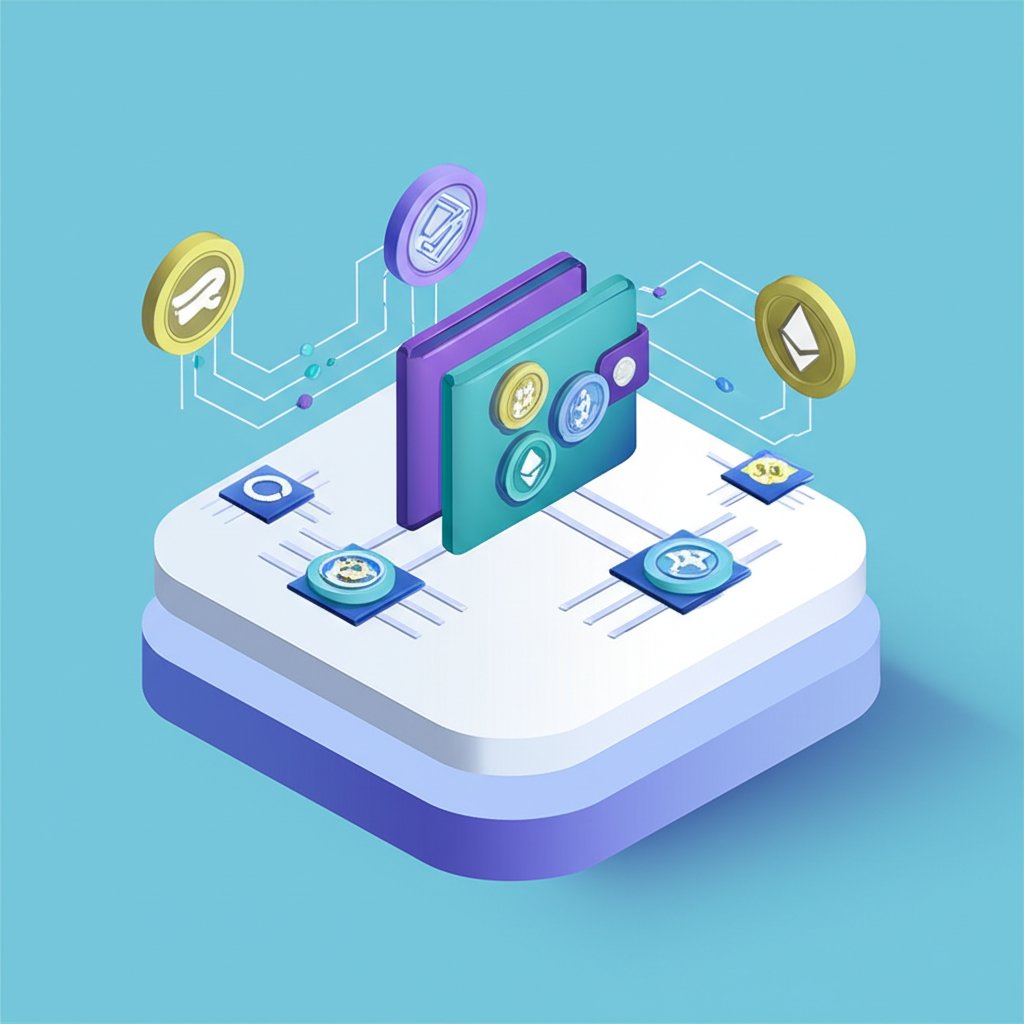
Managing a growing collection of cryptocurrencies can feel like juggling too many balls at once. One token on Ethereum, another on Binance Smart Chain, a few more on Solana – suddenly, you're hopping between half a dozen different wallets, each with its own interface, security protocols, and seed phrases. It's a recipe for confusion, missed opportunities, and potential security headaches. This is where the power of a multi chain wallet truly shines, offering a singular, streamlined solution to bring order to your digital assets. It's not just about convenience; it’s about control, security, and efficiency in the complex world of decentralized finance.
At a glance: Why a Multi-Chain Wallet is a Game Changer
- One-Stop Shop: Manage multiple cryptocurrencies across various blockchains from a single application or device.
- Simplified Security: Fewer seed phrases to manage, often with enhanced security features like 2FA.
- Effortless Transactions: Send, receive, and swap assets across different networks with greater ease.
- DeFi & NFT Access: Seamlessly interact with decentralized applications (DApps) and manage non-fungible tokens.
- Reduced Complexity: Cut down on the cognitive load of managing disparate digital asset portfolios.
What Exactly is a Crypto Wallet? More Than Just a Storage Box
Before diving into the "multi-chain" aspect, let's clarify what a crypto wallet fundamentally is. Contrary to popular belief, your crypto wallet doesn't physically store your digital assets. Think of it more like a digital keyring. It holds the cryptographic "keys" – specifically, your public and private keys – that allow you to access and manage your cryptocurrencies on the blockchain.
- Public Key: This is like your bank account number. You can share it freely for others to send you funds.
- Private Key: This is your secret PIN or password. It authorizes transactions and proves ownership of your crypto. Keeping it absolutely confidential is paramount. Losing it means losing access to your funds, permanently.
The magic of a crypto wallet lies in its ability to interact with various blockchains. When you initiate a transaction, your wallet uses your private key to "sign" it, essentially proving you own the funds. This signed transaction is then broadcast to the network, and once validated by miners or validators, your funds move.
Hot vs. Cold: Understanding the Core Divide
Crypto wallets generally fall into two categories, each with distinct security profiles:
- Hot Wallets: These wallets are connected to the internet. They're software-based, residing on your computer or smartphone, or as a browser extension.
- Pros: Quick access, convenience for frequent transactions, often free.
- Cons: Higher vulnerability to online threats (hacks, malware).
- Examples: Most mobile wallet apps, desktop wallets, web wallets.
- Cold Wallets: These wallets are completely offline, designed for long-term storage and maximum security.
- Pros: Virtually immune to online hacking attempts. Ideal for significant holdings.
- Cons: Less convenient for daily transactions, often involves a physical device cost.
- Examples: Hardware wallets, paper wallets (though less recommended now due to fragility).
The Evolution to Multi-Chain: Why "One Chain" Just Isn't Enough Anymore
In the early days of crypto, if you held Bitcoin, you needed a Bitcoin wallet. If you bought Ethereum, you got an Ethereum wallet. As the ecosystem exploded with thousands of cryptocurrencies and dozens of powerful new blockchains (like Binance Smart Chain, Solana, Polygon, Avalanche, etc.), this single-chain approach became unwieldy.
Each blockchain operates independently, with its own rules, token standards (e.g., ERC-20 on Ethereum, BEP-20 on BSC), and sometimes even different address formats. Imagine needing a separate bank account and debit card for every single currency you own – that's what managing a diverse crypto portfolio without a multi-chain solution feels like.
A multi-chain wallet addresses this by providing a unified interface to manage assets across multiple distinct blockchains. It simplifies the underlying complexity, allowing you to view your total portfolio, send tokens from one chain, and receive tokens on another, all within the same application. This is a crucial step towards a more user-friendly and integrated crypto experience. Learn about multichain wallets to unlock the full potential of your diverse crypto holdings.
Why a Multi-Chain Wallet is Indispensable for Today's Crypto User
If you're serious about crypto, especially if you venture beyond just Bitcoin or Ethereum, a multi-chain wallet isn't just a nice-to-have; it's essential.
Solving the Fragmentation Problem
Without a multi-chain wallet, you're forced to use separate wallets for different ecosystems. For example, MetaMask for Ethereum and EVM-compatible chains, Phantom for Solana, Terra Station for Terra, etc. This means:
- Multiple Seed Phrases: Each wallet has its own recovery phrase. Managing and securing many phrases is a significant risk.
- Confusing Interfaces: Different UX/UI across various apps lead to a steeper learning curve and potential errors.
- Time-Consuming: Switching between wallets, verifying addresses, and managing gas fees across different networks eats up valuable time.
A multi-chain wallet consolidates this, offering a single point of access that saves time, reduces cognitive load, and minimizes the risk of human error.
Streamlined DeFi and NFT Interaction
The decentralized finance (DeFi) and NFT landscapes are inherently multi-chain. A promising DeFi protocol might launch on Polygon, while the next big NFT collection drops on Ethereum. To participate in both, a multi-chain wallet allows you to:
- Connect to DApps: Seamlessly connect to decentralized applications across various blockchains without switching wallets.
- Manage NFTs: Store and display NFTs from different chains (e.g., Ethereum, Polygon, Solana) within one wallet interface.
- Bridge Assets: While a multi-chain wallet doesn't perform bridging itself (that's done by specific protocols), it makes managing the assets before and after a bridge much easier by having them all in one place.
Enhanced Portfolio Overview
With all your assets aggregated in one place, you gain a clear, real-time overview of your entire crypto portfolio. This makes tracking performance, understanding your exposure, and making informed decisions significantly simpler. Many multi-chain wallets even offer integrated portfolio trackers.
How to Choose Your Ideal Multi-Chain Wallet: Key Decision Factors
Selecting the right multi-chain wallet is a critical decision that impacts your security, convenience, and overall crypto experience. Here's what to look for:
1. Security Features: Your Digital Fortress
This is non-negotiable. Your wallet is the gateway to your funds. Prioritize:
- Private Key Ownership (Non-Custodial): Ideally, you want a non-custodial wallet, meaning you hold the private keys. This gives you absolute control, but also absolute responsibility. Custodial wallets (often exchange wallets) hold your keys, making them convenient but reliant on the exchange's security.
- Two-Factor Authentication (2FA): An extra layer of security requiring a second form of verification (e.g., a code from your phone) beyond your password.
- Encryption: Ensures your wallet data is scrambled and unreadable without the correct key.
- Seed Phrase Protection: Understand how your wallet protects your recovery phrase and ensure you follow best practices for storing it.
- Open-Source Code: For software wallets, open-source code allows the community to audit for vulnerabilities.
2. Supported Cryptocurrencies and Blockchains
The "multi-chain" aspect is all about breadth. Ensure the wallet supports the specific cryptocurrencies and blockchains you currently hold or plan to acquire. A good multi-chain wallet will support major chains like:
- Ethereum (ETH)
- Binance Smart Chain (BSC)
- Polygon (MATIC)
- Solana (SOL)
- Avalanche (AVAX)
- Fantom (FTM)
- Arbitrum, Optimism (Layer 2s)
- Bitcoin (BTC)
- ...and many more.
Check not just the primary tokens but also the various token standards (ERC-20, BEP-20, SPL, etc.) the wallet handles.
3. User Interface (UI) and Ease of Use (UX)
Even the most secure wallet is useless if you can't figure out how to use it without making a mistake.
- Intuitive Design: Is the layout clean and easy to navigate?
- Clear Instructions: Are actions like sending, receiving, or swapping straightforward?
- Beginner-Friendly: If you're new, look for a wallet designed with ease of use in mind.
- Advanced Features Accessibility: If you're an experienced user, ensure advanced features aren't buried under layers of menus.
4. Platform Compatibility
Where do you primarily interact with your crypto?
- Mobile App: For on-the-go management (iOS, Android).
- Desktop App: For a larger screen experience (Windows, macOS, Linux).
- Browser Extension: For seamless DApp interaction (Chrome, Firefox, Brave).
- Hardware Wallet Integration: Can it connect to popular hardware wallets like Ledger or Trezor for enhanced security?
5. Backup and Recovery Options
A robust recovery mechanism is vital in case your device is lost, stolen, or damaged.
- Seed Phrase (Mnemonic Phrase): Most wallets provide a 12- or 24-word seed phrase. This is your master key to restore your wallet.
- Test Recovery: Some advanced users even test their recovery phrase with a small amount of crypto on a fresh wallet setup to ensure it works.
6. Provider Reputation and Community Support
A wallet provider's track record speaks volumes.
- Longevity: Has the wallet been around for a while with a positive reputation?
- Audits: Has its code been audited by independent security firms?
- Community Reviews: What do other users say? Look at app store reviews, Reddit forums, and crypto communities.
- Customer Support: While self-custody often means less traditional support, reputable providers offer guides, FAQs, and sometimes direct support channels for technical issues.
7. Additional Features and Ecosystem Integration
Beyond basic storage, what else does the wallet offer?
- In-Wallet Swapping/Exchange: Can you trade tokens directly within the wallet?
- Staking: Does it allow you to stake supported cryptocurrencies to earn rewards?
- NFT Management: Dedicated sections for viewing and managing NFTs.
- DApp Browser: An integrated browser to connect to decentralized applications.
- Fiat On/Off-Ramps: Can you buy crypto with fiat currency (e.g., credit card) directly within the wallet?
8. Fees
While non-custodial wallets typically don't charge "wallet fees" for simply holding crypto, be aware of:
- Transaction Fees (Gas): These are network fees paid to the blockchain (not the wallet provider) and can vary wildly.
- In-Wallet Swap Fees: If the wallet offers integrated swapping, there might be a small service fee in addition to network fees.
- Fiat Purchase Fees: Buying crypto with a credit card often involves third-party processor fees.
A Tour of Leading Multi-Chain Wallets
Here's a look at some of the most prominent multi-chain wallets available today, spanning both hot and cold storage options.
Hot Wallets (Software-Based)
These are convenient for active management and interacting with DApps.
COCA Wallet
A relatively new player aiming for a user-friendly experience, COCA Wallet positions itself as a secure platform suitable for both beginners and experienced users. It boasts support for a wide array of cryptocurrencies and focuses on seamless integration with various DeFi applications, making it a good choice for those looking to explore decentralized finance without a steep learning curve.
Coinbase Wallet
Distinct from the Coinbase exchange, Coinbase Wallet is a self-custodial multi-chain wallet. It's renowned for its robust security and adherence to regulatory compliance, leveraging Coinbase's trusted brand. With an intuitive interface on both Android and iOS, it's popular among users who value simplicity and trust. It also supports the storage and display of NFTs, catering to the growing digital collectibles market.
Binance Wallet
Deeply integrated with the Binance exchange ecosystem, Binance Wallet offers access to hundreds of cryptocurrencies, especially those on the Binance Smart Chain. It leverages the BNB token for reduced transaction fees and provides staking options for assets like QTUM, ALGO, and EOS, appealing to users actively engaged in the Binance ecosystem and looking to earn passive income.
Trust Wallet
One of the most widely used non-custodial multi-chain wallets, Trust Wallet manages coins on over 60 blockchains and supports NFTs. Its strength lies in its broad compatibility, integrating with DApps like Uniswap and supporting various token standards including BEP2, ERC20, and ERC721. It also offers the convenience of purchasing crypto directly with a credit card within the app.
AmazeWallet
Supporting over 60 blockchains, AmazeWallet offers a compelling suite of features. Its unique mobile mining functionality allows users to earn crypto directly from their smartphones, alongside an integrated NFT marketplace within its self-custodial wallet. This combination targets users interested in both passive earning and digital collectibles.
Atomic Wallet
Atomic Wallet allows you to store, exchange, and stake a vast number of cryptocurrencies (over 500). Its cross-platform availability (Windows, Android, iOS, Ubuntu, Fedora) makes it highly accessible. A built-in decentralized exchange (DEX) facilitates instant swaps without needing to transfer funds to a separate exchange, enhancing convenience for active traders.
Math Wallet
Math Wallet stands out for its multi-platform support, including integration with various hardware wallets for enhanced security. It supports over 100 cryptocurrencies, features a DApp browser, offers staking options, and facilitates cross-chain token transfers. This makes it a powerful tool for users engaged in diverse blockchain activities.
Bitget Wallet
Supporting over 20,000 decentralized applications and millions of tokens, Bitget Wallet is a comprehensive multi-chain solution. It includes innovative features like MemeScan for tracking trending meme coins and a Faucet Center for accessing free tokens. Available as both a desktop browser extension and a mobile application, it caters to users who need broad DApp compatibility and stay on top of market trends.
Coinomi
Operating since 2014, Coinomi is a veteran in the non-custodial multi-chain wallet space. It supports over 1,000 blockchain assets without requiring Know Your Customer (KYC) verification, appealing to privacy-conscious users. Its use of Hierarchical Deterministic Wallet (BIP44) logic means you only need one backup phrase for all your assets.
Cold Wallets (Hardware Wallets)
For ultimate security, especially for large holdings, hardware wallets are the gold standard. They pair with software wallets (often the ones listed above or their own companion apps) for interaction.
Trezor
Trezor is a pioneer in hardware wallets, synonymous with high-security cold storage. Its models, like the Trezor Model T, feature a touchscreen for easier interaction and support advanced backup options like a 12-word seed phrase and Shamir Backup (SLIP39), which splits your recovery phrase into multiple shares for even greater resilience against loss.
Ledger
Ledger is another industry leader in hardware wallet security. Its devices, such as the Ledger Nano X, support over 500 cryptocurrencies and offer Bluetooth functionality for mobile management. Paired with the Ledger Live application, it provides a comprehensive platform for managing assets, staking, and even discovering DApps, all while keeping your private keys offline.
Getting Started: Setting Up Your Multi-Chain Wallet
Ready to streamline your crypto management? Here’s a general guide to setting up a new multi-chain wallet:
- Choose Your Wallet: Based on the factors above, decide if a hot (software) or cold (hardware) wallet is right for you, or perhaps a combination.
- Download/Purchase:
- Software Wallet: Download the official app from your device's app store (iOS/Android) or the provider's official website (desktop/browser extension). Always double-check the URL and app developer to avoid fake apps.
- Hardware Wallet: Purchase directly from the manufacturer's website or an authorized reseller. Avoid buying used hardware wallets.
- Create a New Wallet: Follow the on-screen prompts to create a new wallet. You'll typically be asked to:
- Create a Strong Password/PIN: This secures access to the wallet interface on your device.
- Generate Your Seed Phrase: This is the most crucial step. The wallet will display a series of 12 or 24 words.
- WRITE IT DOWN: Physically write this phrase down on paper (or engrave it on metal) and store it in multiple secure, secret locations.
- NEVER SHARE IT: Anyone with your seed phrase can access your funds. Never store it digitally (on your computer, in the cloud, in an email).
- VERIFY IT: The wallet will usually ask you to re-enter a few words to confirm you've recorded it correctly. Don't skip this!
- Add Your Assets: Once set up, you can start sending cryptocurrencies to your new wallet's addresses for the supported chains. Always send a small test amount first when transferring significant sums.
- Explore Features: Get familiar with the wallet's interface, DApp browser, staking options, or other integrated features.
Risks and Essential Precautions: Protecting Your Digital Wealth
The convenience of a multi-chain wallet comes with the same, if not heightened, responsibility for security.
- Software Updates are Crucial: Always keep your wallet software updated. Developers regularly release updates that patch security vulnerabilities and add new features. Ignoring updates leaves you exposed.
- Beware of Phishing Attempts: Cybercriminals are sophisticated. Be extremely wary of unsolicited emails, messages, or websites that claim to be your wallet provider.
- Verify URLs: Always type in the official website URL directly or use known bookmarks.
- Check Sender: Scrutinize email addresses and social media handles.
- Never Share Private Keys/Seed Phrases: No legitimate wallet support will ever ask for your private keys or seed phrase.
- Guard Your Access Credentials: Your wallet password or PIN should be strong and unique. Use a password manager. If using a hardware wallet, protect your device's PIN.
- Backup, Backup, Backup: Your mnemonic recovery phrase is your lifeline.
- Physical Storage: Store it offline, on paper or a metal plate.
- Multiple Locations: Keep copies in different secure physical locations (e.g., a home safe, a bank deposit box, a trusted relative's secure location).
- Test Your Recovery Process: Periodically, with a minimal amount of funds, practice restoring your wallet using your seed phrase on a different device (or a wiped one) to ensure your backup is valid and you know how to use it. This peace of mind is invaluable.
- Hardware Wallet PIN/Passphrase: For hardware wallets, losing your PIN or passphrase can render your device inaccessible, even with the seed phrase, until you've entered it correctly after several attempts. Treat these as sacred.
Common Questions and Misconceptions
"Do multi-chain wallets store my crypto?"
No, like all crypto wallets, they store your keys, which give you access to your crypto on the blockchain. Your assets always remain on their respective blockchains.
"Are multi-chain wallets always hot wallets?"
Not necessarily. While many popular multi-chain software wallets (like Trust Wallet or MetaMask) are hot wallets, dedicated hardware wallets (like Ledger or Trezor) are also multi-chain and represent cold storage. Many software wallets can also integrate with hardware wallets for enhanced security.
"Can I lose all my crypto if my multi-chain wallet gets hacked?"
If your private keys (or seed phrase) are compromised, yes, all the crypto accessible by those keys across all supported chains could be stolen. This is why securing your seed phrase is the single most important action you can take.
"Are the transaction fees (gas) the same across all chains in a multi-chain wallet?"
No. Transaction fees are determined by the specific blockchain network you're using (e.g., Ethereum gas fees are often different from Binance Smart Chain fees). Your multi-chain wallet simply facilitates the transaction; it doesn't standardize the underlying network costs.
Making Your Choice: A Decision Framework
To land on the perfect multi-chain wallet, ask yourself these questions:
- What's my primary use case?
- Long-term HODLing of significant assets? -> Prioritize a hardware wallet (e.g., Ledger, Trezor) or a hot wallet that integrates with one.
- Frequent trading/DeFi interaction? -> A feature-rich software wallet (e.g., Trust Wallet, MetaMask, Atomic Wallet).
- Beginner-friendly, simple management? -> Coinbase Wallet, COCA Wallet.
- Part of a specific ecosystem (e.g., Binance)? -> Binance Wallet.
- How much am I willing to spend?
- Software wallets are generally free.
- Hardware wallets require an upfront purchase.
- How comfortable am I with self-custody?
- Non-custodial wallets give you total control but demand absolute responsibility for your keys.
- Custodial options sacrifice some control for convenience but come with third-party risk.
- What blockchains and tokens do I currently use or plan to use?
- Match your wallet's support to your portfolio needs.
By carefully considering these points, you can narrow down your options and select a multi-chain wallet that not only simplifies your crypto management but also aligns with your security posture and financial goals.
The Future of Your Digital Assets Starts Here
The days of needing a separate digital wallet for every single cryptocurrency are rapidly fading. Multi-chain wallets represent a significant leap forward in user experience, making the complex world of blockchain technology more accessible and manageable for everyone. By consolidating your diverse portfolio into a single, secure interface, you gain clarity, efficiency, and a powerful tool to navigate the exciting frontiers of DeFi, NFTs, and beyond.
Choosing the right multi-chain wallet isn't just about picking a piece of software or hardware; it's about investing in your peace of mind and securing your financial future in the digital age. Take the time to research, prioritize security, understand how to manage your private keys, and embrace the power of simplified, unified crypto management. Your digital assets deserve nothing less.