When you hear about crypto funds being stolen, it’s often due to vulnerabilities in online systems. This is precisely why understanding how do cold wallets work is crucial for securing your digital assets. Unlike internet-connected "hot" wallets, cold wallets provide an essential layer of offline protection, keeping your most valuable keys completely isolated from the digital threats that plague the online world. They're designed not just for storage, but for a proactive defense against hacking, malware, and phishing attempts that collectively led to over $1.7 billion in crypto theft in 2023 alone.
At a glance
- Offline Isolation: Cold wallets store private keys entirely offline, creating an "air gap" against cyber threats.
- Secure Transactions: Transactions are initiated online but signed securely offline by the cold wallet, ensuring private keys are never exposed to the internet.
- Diverse Options: Choose from hardware devices, paper wallets, or air-gapped computers, each offering distinct levels of security and convenience.
- Key Protection: Learn how to safeguard your recovery phrase (seed phrase) with physical backups in multiple secure locations.
- Who Benefits Most: Ideal for high-value investors, institutions, and anyone prioritizing long-term security over frequent trading.
- Informed Choice: Understand critical factors like asset support, security certifications, and recovery options when selecting a cold wallet.
The Foundation: Why Offline Is the Safest Online

At its core, a cold wallet is a cryptocurrency wallet that operates completely offline. This fundamental distinction sets it apart from hot wallets, which are always connected to the internet. The magic lies in this offline isolation — it stores your private keys in an environment physically separated from the internet. Think of it like a vault that has no digital doors; an attacker can't simply hack their way in if there's no connection to exploit. This air gap makes cold wallets immune to common online threats like sophisticated hacks, malicious software, and targeted phishing scams, establishing them as the gold standard for long-term storage of significant digital assets.
This principle is vital for anyone serious about digital asset security. To grasp the broader picture of how this mechanism fits into your overall security strategy, you might find value in our comprehensive guide on How cold wallets secure crypto. It details the various facets of cold storage and its advantages.
How Cold Wallets Keep Your Private Keys Truly Private
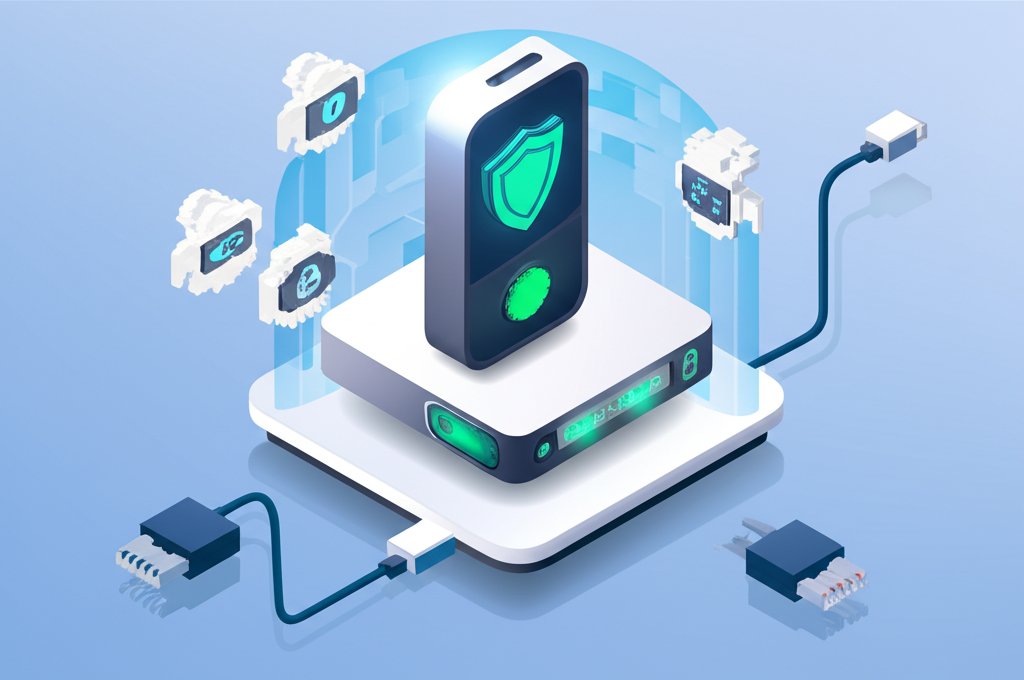
The real genius of how do cold wallets work centers on protecting your private keys. These keys are the undisputed proof of ownership for your crypto, and if they fall into the wrong hands, your funds are gone. A cold wallet ensures these keys are generated and stored in an offline, secure environment.
When you need to make a transaction, the process cleverly segregates the vulnerable part (your private key) from the exposed part (the transaction broadcast). Here's a simplified breakdown:
- Initiate Online: You prepare the transaction details (recipient address, amount) on an internet-connected device (like your computer or phone) using accompanying software. This creates an unsigned transaction.
- Sign Offline: You then physically connect your cold wallet device (or input details for a paper wallet). The cold wallet receives the unsigned transaction, uses your offline-stored private key to cryptographically "sign" it, and then sends the signed transaction back to your online device. Critically, your private key never leaves the cold wallet and never touches the internet.
- Broadcast Online: Your internet-connected device then takes this signed transaction and broadcasts it to the blockchain network. The network verifies the signature (confirming it came from your private key) and processes the transaction.
This sequence guarantees that your private keys remain perpetually offline. The steps often involve temporarily disconnecting your internet-connected device from the internet (for air-gapped systems or paper wallets) or simply performing the signing action on the isolated hardware device itself.
Diverse Approaches to Offline Security: Types of Cold Wallets
Not all cold wallets are created equal, but they all share the core principle of offline key storage. Understanding the different types helps you choose the right fit for your needs and technical comfort level.
Hardware Wallets: The Gold Standard for Most
These are dedicated physical devices, often resembling a USB stick, specifically designed to store your private keys and sign transactions internally.
- How they work: When you initiate a transaction on your computer, the unsigned transaction is sent to the hardware wallet. You confirm the details on the device's screen, and then the device's internal secure element signs the transaction using your private key. The signed transaction is sent back to your computer for broadcast. Your private key never leaves the device's isolated hardware.
- Examples: Ledger Nano X, Trezor Model T, CoolWallet Pro, BitBox02.
- Benefits: User-friendly (relatively), robust security features (PINs, secure elements, tamper-detection), portability.
- Considerations: Requires physical safekeeping, firmware updates needed (from official sources only).
Paper Wallets: Pure Offline Simplicity
A paper wallet is a physical printout of your public and private keys, typically generated on an offline computer.
- How they work: You generate a key pair using specialized software on a computer that has never been connected to the internet. You then print these keys (often as QR codes) onto paper. To receive funds, you use the public key. To spend funds, you must import the private key into a hot wallet or use a specific offline signing process, exposing the key at that moment.
- Benefits: True air-gap security, no electronics to fail, free to create.
- Considerations: Highly susceptible to physical damage (fire, water, fading), difficult to use for spending (requires exposing private key), not ideal for frequent transactions. Best for long-term, deep cold storage.
Air-Gapped Computers: The DIY Fortress
An air-gapped computer is a dedicated machine that is never, ever connected to the internet. It serves solely as an offline environment for generating and storing private keys and signing transactions.
- How they work: You set up a computer with a clean operating system, install necessary wallet software, and then physically disconnect it from all networks. You use USB drives (carefully scanned for malware on another machine first) to transfer unsigned transactions to the air-gapped computer and signed transactions from it.
- Benefits: Ultimate control, maximum isolation, can be customized for specific security needs.
- Considerations: Complex setup and maintenance, high technical expertise required, inconvenient for regular use. Typically for very high-value individuals or institutions.
Advantages and Trade-offs: Is a Cold Wallet Right for You?
While cold wallets offer unparalleled security, they come with certain trade-offs. It's about balancing your security needs with your usage patterns.
The Unmatched Security Edge
- Fortified Against Online Threats: By keeping private keys offline, cold wallets are impervious to online hacks, malware, and phishing attacks. This "air gap" is the core differentiator.
- Full Control Over Private Keys: You, and only you, hold your private keys. This means no third-party exchange or custodian has control over your funds, embodying the "not your keys, not your crypto" ethos.
- Ideal for Long-Term Storage: For investors holding substantial amounts of crypto for years, cold storage significantly reduces the risk of loss due to cyber events.
The Practicalities to Consider
- Less Convenient for Frequent Transactions: The offline signing process adds steps, making cold wallets less suitable for day traders or those who transact often. This is a deliberate design choice to enhance security.
- Risk of Physical Loss or Damage: Unlike digital files, a physical cold wallet can be lost, stolen, or destroyed (fire, water). Losing your hardware wallet or paper wallet without a secure backup of your recovery phrase means losing access to your funds forever.
- Setup and Management Complexity: Initial setup, firmware updates, and transaction signing can be more involved than using a simple hot wallet.
A Practical Playbook for Cold Wallet Security
Implementing cold storage effectively isn't just about buying a device; it's about adopting a secure mindset and following best practices.
Safeguarding Your Recovery Phrase (Seed Phrase)
This is the single most critical step. Your recovery phrase (typically 12 or 24 words) is the master key to your funds. If you lose your cold wallet, this phrase is your only way to restore access.
- Multiple Physical Backups: Write it down accurately (double-check!). Create at least two copies.
- Diverse Secure Locations: Store copies in different, physically secure locations. Think fireproof safes, safe deposit boxes, or even with a trusted lawyer. Avoid keeping them in the same place.
- Durable Media: Consider using metal plates or specially designed waterproof/fireproof paper instead of regular paper, which degrades easily.
- Never Digital: Never store your recovery phrase digitally—not on your computer, phone, cloud storage, or even as a photo. This defeats the entire purpose of cold storage.
Firmware Updates and Software Integrity
- Official Sources Only: Always update your hardware wallet's firmware directly from the manufacturer's official website or application. Never click on links from emails or unverified sources.
- Verify Authenticity: When setting up a new device, ensure it's genuine and untampered with. Reputable manufacturers have specific verification processes.
Advanced Security Measures
- Multi-Signature (Multisig) Schemes: For extremely high-value holdings, consider a multisig setup. This requires multiple private keys (held by different individuals or in different locations) to authorize a single transaction, adding an extra layer of protection against a single point of failure.
- "24-Word Shuffle": Some users choose to split their 24-word seed phrase into multiple parts and store them in different locations, adding another layer of physical security. However, this increases complexity and risk if parts are lost.
Case Snippet: The Lost Laptop, Saved Funds
Sarah, a long-term investor, had a significant portion of her crypto stored on a hardware wallet. One day, her laptop was stolen. While the thieves gained access to her online accounts and potentially some smaller hot wallet holdings, her main crypto stash remained completely secure. Why? Because her hardware wallet, containing her private keys, was stored separately in a secure location, and her recovery phrase was etched onto a metal plate in a different safe. The stolen laptop, even with all its software, couldn't access funds that relied on an offline key.
Quick Answers to Common Cold Wallet Questions
Is a cold wallet truly unhackable?
While no system is 100% "unhackable," cold wallets offer the highest level of security against online threats because your private keys are never exposed to the internet. Physical theft or compromise of your recovery phrase remains a risk.
Can I lose my crypto if I lose my cold wallet device?
No, not if you have securely backed up your recovery phrase (seed phrase). Your crypto isn't "on" the device; the device simply holds the private keys that control your crypto on the blockchain. With your recovery phrase, you can always restore access to your funds on a new compatible wallet.
Are paper wallets still a good option?
For very long-term, deep cold storage of assets you don't intend to touch frequently, paper wallets offer a pure air-gapped solution. However, their fragility and inconvenience for spending make hardware wallets a more practical and equally secure choice for most users.
How do I choose the best cold wallet for me?
Consider:
- Asset Support: Does it support the cryptocurrencies you hold or plan to hold? (e.g., Ledger supports 5,500+ assets, Trezor also has broad support).
- Technical Expertise: Hardware wallets are generally more user-friendly than air-gapped computers.
- Security Features: Look for certified secure elements (e.g., CC EAL5+ or EAL6+), open-source firmware (for community auditing), and advanced recovery options (like Shamir Backup on Trezor).
- Recovery Options: How robust are the backup and recovery mechanisms?
- Budget: Hardware wallets range in price, but it's a small investment for significant security.
Your Path to Enhanced Crypto Security
Deciding to move your crypto to cold storage is a significant step towards becoming a self-sovereign digital asset holder. It’s particularly recommended for:
- Individuals with High-Value Crypto Assets: The higher the value, the greater the target, and thus the greater the need for robust security.
- Institutions and Businesses: For managing corporate treasuries or client funds, cold storage is often a regulatory and best-practice requirement.
- Long-Term Investors: If your strategy is to "hodl" for years, cold storage drastically reduces your exposure to ongoing cyber risks.
Start by assessing your current holdings and your comfort level with technology. If you have substantial assets or simply prioritize maximum security, investing in a reputable hardware wallet and diligently following backup best practices is a non-negotiable step. Remember, the true power of how do cold wallets work lies in their ability to remove your private keys from the online battlefield, giving you peace of mind in an increasingly digital world.