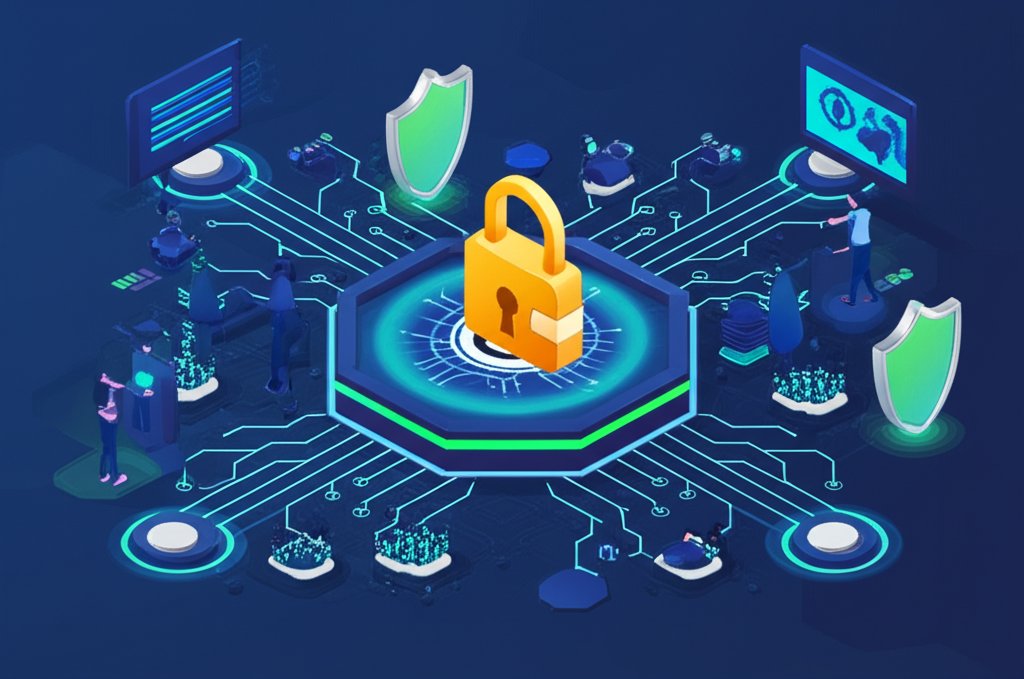
Navigating the world of digital assets often begins with a hot wallet – the gateway to quick trades, seamless payments, and interaction with decentralized applications. While their convenience is undeniable, connecting your crypto to the internet inherently introduces risks that demand a proactive, security-first mindset. It's a fundamental trade-off: speed and accessibility versus the robust, offline security of cold storage.
At a Glance
- Grasp the Trade-off: Understand that hot wallets prioritize convenience but require heightened security awareness due to their constant online connection.
- Identify Your Wallet Type: Distinguish between non-custodial (you control keys) and custodial (third party controls keys) hot wallets to assess your risk and responsibility.
- Implement Hybrid Security: Learn why combining hot and cold wallets is the gold standard for protecting your assets effectively.
- Master Essential Practices: Discover actionable steps like strong 2FA, diligent seed phrase management, and transaction verification to safeguard your funds.
- Recognize and Avoid Pitfalls: Become aware of common scams and vulnerabilities to protect yourself from costly mistakes.
Understanding the Hot Wallet Landscape: Convenience vs. Risk

A hot wallet is essentially a software application – often on your phone, desktop, or even within a web browser – that holds the digital "private keys" necessary to access and manage your cryptocurrency. These keys are your ultimate proof of ownership. Because they are always connected to the internet, hot wallets offer unparalleled speed and ease of use, making them indispensable for everyday crypto activities. Whether you're making a quick trade on an exchange, participating in decentralized finance (DeFi) protocols, or minting an NFT, a hot wallet provides instant access to your funds. Popular examples include browser extensions like MetaMask, mobile apps such as Trust Wallet and Edge Wallet, and the integrated wallets offered by major exchanges like Binance and Coinbase.
The appeal of hot wallets lies in their user-friendliness; they lower the barrier to entry for many newcomers. With minimal technical knowledge, you can set one up and begin transacting in minutes. This accessibility fuels their widespread adoption, making them the primary interface for many users interacting with the blockchain ecosystem.
However, this constant online connectivity is also their Achilles' heel. Every moment a hot wallet is online, it is potentially exposed to a range of sophisticated cyber threats. Hackers, phishing scams, and malicious software are all actively seeking vulnerabilities. In 2024 alone, over $1.5 billion was reportedly lost to hot wallet exploits, underscoring the very real and significant financial dangers. This inherent risk is the primary distinction when comparing hot wallets to their offline counterparts, cold wallets, which are designed for maximum isolation from online threats.
Non-Custodial vs. Custodial: Knowing Your Control Level
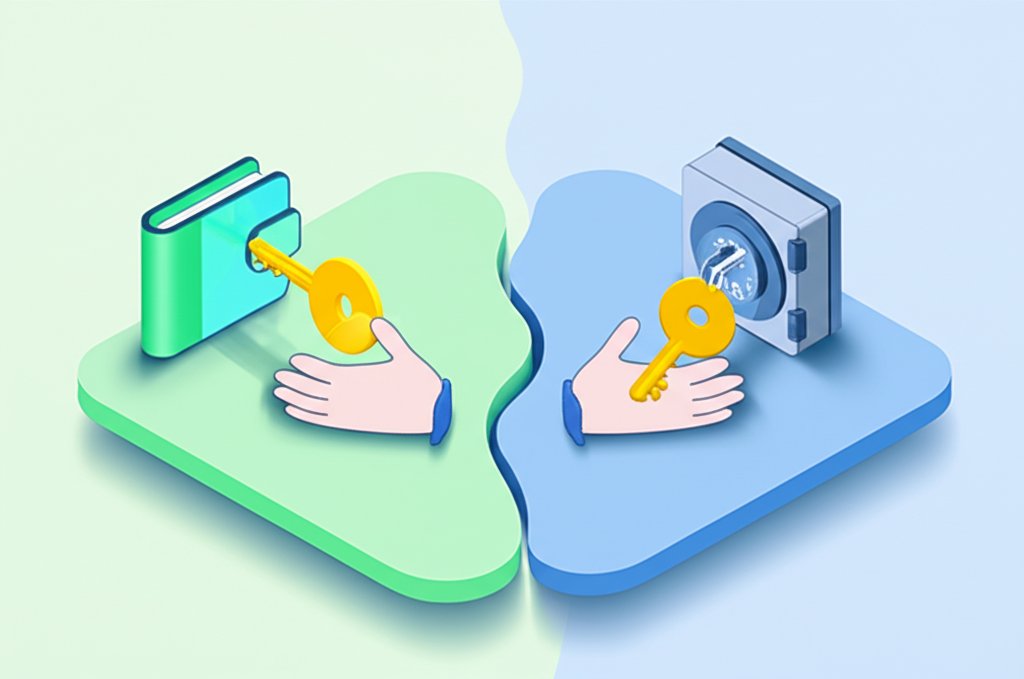
Not all hot wallets are created equal, especially when it comes to who actually holds the reins of your private keys. Understanding this distinction is crucial for assessing your security posture and level of responsibility.
Non-Custodial Hot Wallets: You Are Your Own Bank
With a non-custodial hot wallet, you, and only you, hold complete control over your private keys. This means you are solely responsible for securing your wallet's seed phrase (a series of 12-24 words that can regenerate your private keys). If you lose your seed phrase, or if it falls into the wrong hands, your funds are irretrievably lost or stolen. The upside is that you don't have to trust a third party to safeguard your assets; your crypto is truly yours. MetaMask, Trust Wallet, and Edge Wallet are prime examples of non-custodial hot wallets, empowering users with full autonomy over their digital assets.
This level of control comes with significant responsibility. There's no "forgot password" button or customer support line to recover your funds if you make a mistake. Every transaction, every interaction with a dApp, requires your explicit approval, making you the ultimate gatekeeper of your crypto.
Custodial Hot Wallets: Trusting a Third Party
In contrast, custodial hot wallets are typically provided by centralized cryptocurrency exchanges or other service providers, such as Binance or Coinbase. When you store crypto on these platforms, the exchange holds the private keys on your behalf. You trust them to secure your funds, much like you trust a traditional bank with your fiat currency. They manage the complex security infrastructure, including cold storage for the majority of funds, two-factor authentication (2FA), and insurance policies to protect against breaches.
The convenience of custodial wallets is clear: simplified access, easier recovery options if you forget your password, and often integrated trading features. However, you introduce counterparty risk. If the exchange is hacked, goes bankrupt, or freezes your account, your assets could be at risk. History is rife with examples of exchanges being compromised, leading to significant user losses. While many reputable exchanges implement robust security measures, relying on a third party always entails a layer of trust.
The decision between non-custodial and custodial hot wallets hinges on your comfort level with self-custody versus trusting a third party. For smaller amounts used for active trading or immediate transactions, a custodial wallet might be convenient if the platform has strong security. However, for any significant amount you wish to truly own and control, a non-custodial approach is always recommended.
Architecting Your Hot Wallet Security Strategy
Effective hot wallet security isn't about eliminating risk entirely – that's impossible for an internet-connected device – but about mitigating it intelligently. The goal is to make yourself a less appealing target for attackers while maintaining the convenience hot wallets offer.
The Hybrid Approach: A Golden Rule
The single most impactful security strategy for crypto assets is the hybrid approach. This involves leveraging the strengths of both hot and cold wallets. The ground rule is simple: keep the vast majority (80-90%) of your crypto assets in a cold wallet for long-term, secure storage, especially for amounts exceeding $10,000. This cold storage acts as your vault, isolated from online threats.
The remaining, smaller portion (10-20%) can be held in a hot wallet for active trading, staking, or interacting with DeFi applications. Think of your hot wallet as your everyday spending cash – enough for your immediate needs, but not your entire life savings. This significantly limits your exposure in the event of a hot wallet compromise.
Setting Up Your Hot Wallet Securely
Once you've decided on a hot wallet, its initial setup and ongoing management are critical.
- Generate Strong, Unique Passwords: This sounds basic, but it's often overlooked. Use a complex password, ideally generated by a password manager, that includes a mix of upper and lowercase letters, numbers, and symbols. Never reuse passwords across different services.
- Enable Two-Factor Authentication (2FA) Always: If your hot wallet or the exchange providing your custodial wallet offers 2FA, enable it immediately. Prioritize authenticator apps (e.g., Google Authenticator, Authy) over SMS-based 2FA. SMS is vulnerable to SIM-swap attacks, where attackers convince a mobile carrier to transfer your phone number to their device, intercepting your 2FA codes.
- Guard Your Seed Phrase (Recovery Phrase) Like Gold: For non-custodial wallets, your seed phrase is the master key to your funds.
- Write it down physically: Use pen and paper. Never store it digitally (e.g., on your phone, computer, cloud, or in a screenshot).
- Store it securely and offline: A fireproof safe, a safety deposit box, or multiple secure, geographically separated locations are ideal.
- Never share it: No legitimate service or person will ever ask for your seed phrase. Anyone who does is a scammer.
- Be wary of "air-gapped" devices for seed entry: When setting up a hardware wallet or generating a seed phrase, ensure the device you are using is offline and free from malware.
- Hardware Wallet Integration (for Enhanced Hot Wallet Security): Many popular non-custodial hot wallets, like MetaMask, can integrate with hardware wallets (e.g., Ledger, Trezor). This allows you to use your hot wallet interface for convenience, but the critical private key operations – signing transactions – are performed securely offline by your hardware wallet. This creates a powerful hybrid where you get the best of both worlds: hot wallet accessibility with cold wallet signing security. This strategy is highly recommended for any significant amount in a hot wallet.
Everyday Security Practices for Hot Wallet Users
Securing your hot wallet isn't a one-time setup; it's an ongoing commitment to vigilant practices.
- Verify Everything, Twice: Before confirming any transaction, meticulously double-check every detail: the recipient's wallet address, the amount, and the gas fees. Many scams involve subtly altering addresses. If possible, send a small test transaction first, especially when sending funds to a new or unknown address. Be particularly cautious with smart contract interactions – understand what permissions you are granting.
- Beware of Phishing and Scams: Phishing is a constant threat. Attackers create fake websites, emails, or social media accounts that mimic legitimate services to trick you into revealing your private keys or connecting your wallet to a malicious site.
- Always check URLs: Ensure the website address is correct and spelled perfectly before connecting your wallet or entering credentials. Bookmark legitimate sites.
- Never click suspicious links: Be skeptical of unsolicited emails, DMs, or pop-ups promising free crypto or urgent actions.
- Legitimate support will never ask for your seed phrase or private keys.
- Keep Wallet Software and Firmware Updated: Developers regularly release updates that patch security vulnerabilities. Enable automatic updates where possible, or make it a routine to check for and install them promptly. This applies to your hot wallet software, browser extensions, and operating system.
- Public Wi-Fi is a No-Go for Transactions: Public Wi-Fi networks (cafes, airports) are inherently insecure and can be easily intercepted by malicious actors. Avoid conducting any cryptocurrency transactions or accessing your hot wallet while connected to them. Use a secure, private network or a Virtual Private Network (VPN) for extra protection.
- Be Skeptical of "Free Money" and Airdrops: While legitimate airdrops exist, many are phishing attempts designed to get you to connect your wallet to a malicious smart contract, granting it permission to drain your funds. If it seems too good to be true, it almost certainly is. Research thoroughly before interacting.
- Limit Wallet Permissions and Revoke When Not Needed: When interacting with decentralized applications (dApps), you often grant permissions to smart contracts (e.g., to spend your tokens). Regularly review and revoke unnecessary or old permissions. Tools like Revoke.cash or Etherscan's token approval checker can help you manage these permissions, reducing your attack surface.
- Diversify Holdings: For very large sums, consider distributing your holdings across multiple hot wallets (each with strong security) and cold wallets to avoid a single point of failure. While the hybrid approach is primary, this adds another layer of resilience.
Practical Scenarios and Pitfalls to Avoid
Understanding security in theory is good, but applying it in real-world scenarios is what truly protects your assets.
Scenario 1: Trading on a Decentralized Exchange (DEX)
You want to swap ETH for a new altcoin on Uniswap using MetaMask.
- Secure Steps:
- Verify the URL: Ensure you are on
app.uniswap.organd not a cleverly disguised phishing site. Bookmark it. - Connect Wallet: Click "Connect Wallet" and select MetaMask. Review the connection request carefully – it should only ask to view your address, not initiate transactions yet.
- Approve Token Spending: When swapping, you'll first be prompted to "Approve" Uniswap to spend your ETH or other tokens. Only approve the minimum necessary amount. This is where hardware wallet integration shines, requiring a physical confirmation.
- Confirm Transaction: Once approved, you'll confirm the swap. Double-check the token addresses, amounts, and gas fees within MetaMask before signing.
- Revoke Permissions: After a major trading session, consider using a tool like Revoke.cash to review and revoke any unnecessary token approvals to minimize future risk.
Scenario 2: Avoiding a Phishing Attack
You receive an email claiming to be from "MetaMask Support" stating your wallet has been compromised and asking you to click a link to "verify your seed phrase."
- Pitfall: Clicking the link and entering your seed phrase. This would immediately grant the attackers access to your funds.
- Smart Security:
- Recognize the Red Flag: No legitimate support will ever ask for your seed phrase.
- Inspect Sender: Check the sender's email address – it will almost certainly not be a genuine domain.
- Hover, Don't Click: Hover over the link to see the actual URL without clicking. It will likely point to a suspicious domain.
- Go Directly to Source: If you're concerned, open a new browser tab and navigate directly to MetaMask's official website (metamask.io) to check for announcements or support contact information.
Scenario 3: Storing Crypto on an Exchange (Custodial Hot Wallet)
You keep a substantial amount of Bitcoin on Coinbase for convenience.
- Pitfall: Relying solely on the exchange's security without your own layers. While exchanges have robust systems, a centralized point of failure remains.
- Smart Security:
- Enable Strong 2FA: Use an authenticator app (e.g., Authy) for Coinbase. Do NOT rely on SMS.
- Use a Unique, Strong Password: For your Coinbase account, distinct from all other passwords.
- Consider Whitelisting Addresses: Enable withdrawal address whitelisting, meaning funds can only be sent to pre-approved addresses. This prevents attackers from diverting funds even if they gain access.
- Limit Exposure: Only keep an amount you're comfortable losing on the exchange. Move larger, long-term holdings to a non-custodial cold wallet.
Pitfall: Storing Your Seed Phrase Digitally
You're a tech-savvy user and decide to save your MetaMask seed phrase in a password-protected note on your cloud drive or email it to yourself for "easy access."
- Consequence: Any breach of that cloud account, email, or device means instant, complete compromise of your crypto assets. Digital storage of a seed phrase is fundamentally insecure.
- Best Practice: Always, always store your seed phrase offline, physically, and in multiple secure locations.
Practical Playbook: Your Hot Wallet Security Checklist
Here's a concise checklist to guide your hot wallet security journey:
- Adopt the Hybrid Model: Store 80-90% of your assets in cold storage; use hot wallets only for active, smaller amounts.
- Choose Wisely: Select reputable hot wallet providers, paying attention to whether they are custodial or non-custodial.
- Lock Down Account Access: Use unique, strong passwords and enable authenticator-based 2FA on all relevant accounts and wallets.
- Protect Your Seed Phrase: Write it down physically, store it securely offline, and never share it digitally or with anyone.
- Verify All Transactions: Double-check recipient addresses, amounts, and permissions before signing any transaction.
- Stay Updated: Keep all wallet software, browser extensions, and operating systems patched and up-to-date.
- Avoid Public Wi-Fi: Conduct transactions only on secure, private networks.
- Be Scam-Aware: Educate yourself on phishing tactics, fake websites, and suspicious "free money" offers.
- Regularly Review Permissions: Revoke unnecessary or outdated dApp permissions using tools like Revoke.cash.
- Consider Hardware Wallet Integration: For non-custodial hot wallets, connect a hardware wallet to sign transactions for enhanced security.
For a deeper dive into overall crypto asset protection strategies, including advanced cold storage options, see our guide on Maximize hot wallet security.
Quick Answers: Common Hot Wallet Questions
Q: Are hot wallets safe for beginners?
A: Yes, hot wallets are user-friendly for beginners to get started with crypto, but they are generally not safe for storing large amounts of funds. Beginners should always practice strong security habits, like using 2FA, securing their seed phrase offline, and starting with small amounts.
Q: How much crypto should I keep in a hot wallet?
A: A good rule of thumb is to keep only the amount you need for immediate transactions, trading, or dApp interactions – roughly 10-20% of your total crypto portfolio. Amounts exceeding $10,000 should ideally be in cold storage.
Q: Can a hot wallet be hacked?
A: Yes, hot wallets are susceptible to various online threats, including hacking, phishing, malware, and sophisticated social engineering scams, precisely because they are always connected to the internet.
Q: What's the biggest risk with a hot wallet?
A: The biggest risk is the compromise of your private keys or seed phrase, which grants an attacker full control over your funds. This can happen through direct hacking, phishing scams that trick you into revealing your details, or malware on your device.
Q: Should I use a hot wallet for NFTs?
A: Many NFT marketplaces and platforms require interaction via a hot wallet (like MetaMask) due to their dApp nature. Therefore, a hot wallet is often necessary for buying, selling, and minting NFTs. However, the same security precautions apply: only connect to legitimate sites, verify transactions, and consider integrating with a hardware wallet for enhanced security of your valuable NFTs.
Your Path to Smarter Hot Wallet Security
Hot wallets offer an undeniable gateway to the dynamic world of cryptocurrency, bringing speed and convenience to your fingertips. However, this accessibility comes with a significant responsibility: to actively and intelligently protect your digital assets. By adopting a hybrid storage strategy, diligently adhering to security best practices, and maintaining a healthy skepticism towards online threats, you can harness the power of hot wallets without becoming a casualty of their inherent risks. Your vigilance is your strongest defense; make it an integral part of your crypto journey.