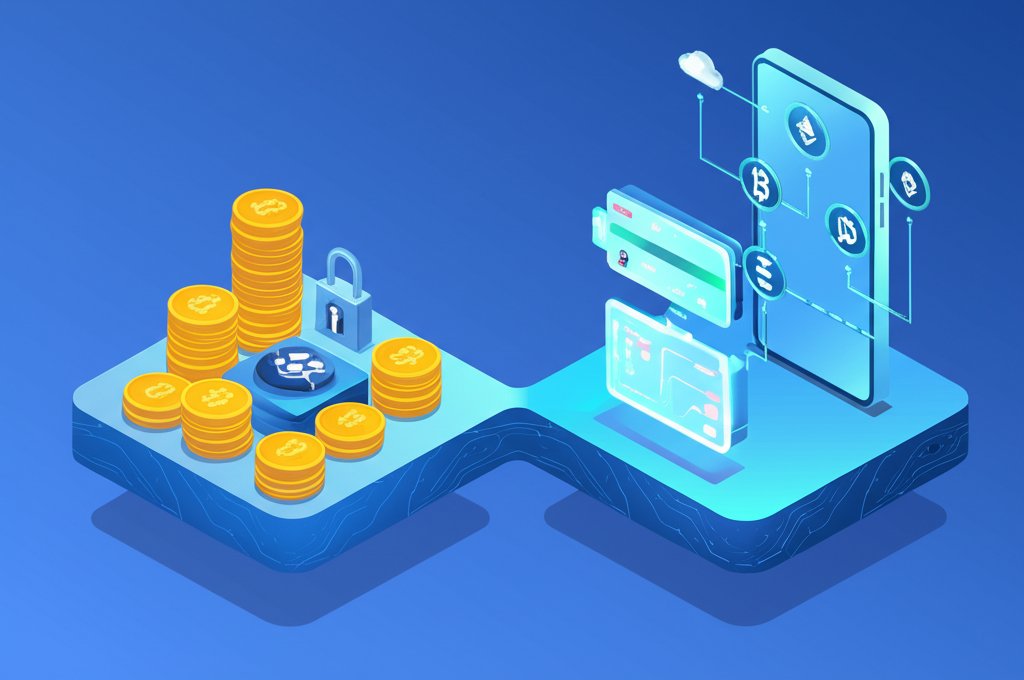
Navigating the world of cryptocurrency means making critical decisions, and perhaps none are more foundational than how you secure your digital assets. You've heard the terms bandied about: "cold storage," "hot wallet," "private keys," and the inevitable debate: hardware wallet vs software wallet. For anyone serious about crypto, understanding these two primary storage methods isn't just helpful—it's absolutely essential. Your choice profoundly impacts the safety, accessibility, and overall management of your digital wealth.
So, what's the real difference, and more importantly, which one is right for you? Let's dive in.
At a Glance: Your Quick Guide to Wallet Types
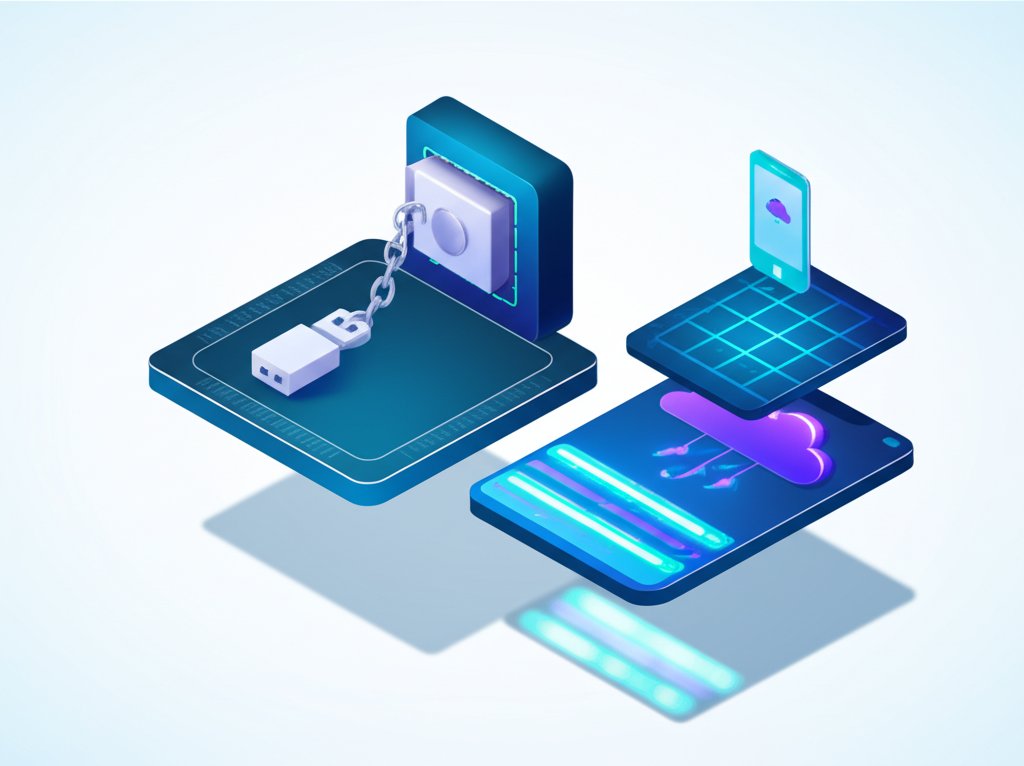
- Hardware Wallet (Cold Storage): A physical device that stores your private keys offline. Best for large holdings, long-term storage (HODLing), and maximum security against online threats. Think of it as a digital safe deposit box.
- Software Wallet (Hot Storage): An application or program on your computer, phone, or web browser. Ideal for smaller amounts, frequent transactions, and easy access to decentralized applications (dApps). Consider it your everyday spending wallet.
- Security: Hardware wallets offer superior security against cyberattacks. Software wallets are more convenient but more vulnerable to online risks.
- Convenience: Software wallets excel in ease of access and quick transactions. Hardware wallets require more steps but offer peace of mind.
- Cost: Hardware wallets require an upfront purchase. Software wallets are generally free.
- Best Practice: Many seasoned crypto users employ a hybrid approach, using hardware wallets for the bulk of their assets and software wallets for smaller, actively used funds.
Understanding the Foundation: What Exactly is a Crypto Wallet?
Before we pit one against the other, let's clarify a fundamental misconception. A crypto wallet doesn't actually "hold" your cryptocurrency in the way a physical wallet holds cash. Instead, it holds your private keys.
Think of your cryptocurrency as living on a massive, public ledger called a blockchain. Your private key is like the unique, secret password that proves you own a specific amount of crypto associated with a public address on that blockchain. If someone gets your private key, they effectively control your crypto. A crypto wallet, therefore, is simply a tool that manages these private keys, allowing you to send and receive digital assets.
Now, how that tool manages those keys—online or offline—is where the distinction between hardware and software wallets becomes critical.
Deep Dive: The Hardware Wallet (Your Digital Fortress)
Imagine a super-secure, miniaturized vault designed exclusively to protect your most valuable digital secret: your private keys. That's essentially a hardware wallet. Often resembling a USB stick or a small calculator, these devices are purpose-built to keep your keys offline, isolated from the internet and its myriad threats.
How It Works: Cold, Isolated, and Secure
When you set up a hardware wallet, it generates your private keys inside the device, never exposing them to any internet-connected computer. This offline storage is often referred to as "cold storage," providing an air gap that makes it virtually impossible for online attackers to steal your keys.
When you want to make a transaction, you connect your hardware wallet to a computer or smartphone. However, your private key still never leaves the device. Instead, the transaction data is sent to the wallet, which then cryptographically "signs" the transaction internally using your private key. The signed (but not the key itself) transaction data is then sent back to your computer to be broadcast to the blockchain. Crucially, the sensitive signing process happens entirely within the secure confines of the hardware wallet.
Key Security Features: Layers of Protection
- Offline Private Key Storage: This is the bedrock of hardware wallet security. Your private keys are generated and stored in a secure element chip, making them inaccessible to online threats.
- PIN Code Protection: Like a bank card, you set a PIN to access the device. Multiple incorrect attempts usually lock the device or wipe its data, requiring recovery via your seed phrase.
- Recovery Seed Phrase (Mnemonic Phrase): A sequence of 12, 18, or 24 random words given to you during initial setup. This is your master key—the ultimate backup. If your hardware wallet is lost, stolen, or damaged, you can use this phrase to restore access to your funds on a new hardware wallet or even a compatible software wallet. It's paramount to keep this phrase offline, written down, and stored in multiple secure, secret locations.
- Tamper-Proof Design: Reputable hardware wallets often incorporate physical security measures to detect if the device has been opened or altered.
The Upside: Unbeatable Security and Control
- Maximum Security: By keeping private keys offline, hardware wallets offer the strongest defense against malware, phishing attacks, and online hacking attempts. Your crypto is safe even if your computer is compromised.
- Malware & Virus Resistance: Since the signing happens internally, your keys are protected even if the computer you connect to is infected.
- Broad Cryptocurrency Support: Most popular hardware wallets support a wide array of cryptocurrencies and tokens, often hundreds or thousands.
- Reliable Recovery: The recovery seed phrase provides a robust mechanism to restore your assets, ensuring you don't lose access even if the physical device is destroyed.
- True Ownership: You have undisputed control over your keys, not a third-party service.
For anyone serious about long-term holding or safeguarding significant crypto assets, the choice between different wallet types often comes down to this kind of robust protection. When considering Hardware vs. Software Wallets, security is undeniably where the hardware option shines brightest.
The Downside: Cost, Complexity, and Physical Risks
- Upfront Cost: Unlike most software wallets, you have to purchase a hardware wallet, typically ranging from $50 to $200 USD.
- Learning Curve for Beginners: While increasingly user-friendly, setting up a hardware wallet and understanding its functions can be slightly more intimidating for newcomers than downloading an app.
- Physical Loss or Damage: The device itself can be lost, stolen, or broken. While your funds are recoverable with your seed phrase, the device itself is gone. This underscores the critical importance of keeping your recovery phrase secure.
- Less Convenient for Frequent Transactions: Each transaction requires connecting the device, entering a PIN, and physically confirming the transaction. This extra layer of security, while beneficial, adds steps and can be cumbersome for active traders or frequent users of dApps.
Deep Dive: The Software Wallet (Your Everyday Digital Cash)
Software wallets, often called "hot wallets" because they require an internet connection to function, are the most common and accessible way to manage cryptocurrency. They exist as applications on your computer, smartphone, or as browser extensions, making them incredibly convenient for everyday use.
How It Works: Online, Integrated, and Ready
A software wallet generates and stores your private keys within the application itself, on an internet-connected device. When you initiate a transaction, the wallet uses your private key to digitally sign it and then broadcasts it to the blockchain via the internet. Because your keys are always "online" (or at least on a device that is frequently online), they offer instant access to your funds and seamless interaction with the broader crypto ecosystem.
Software wallets come in several flavors:
- Desktop Wallets: Programs you install on your computer (e.g., Exodus, Electrum). They offer a good balance of security (assuming your computer is secure) and functionality.
- Mobile Wallets: Apps on your smartphone (e.g., Trust Wallet, MetaMask Mobile). Highly convenient for on-the-go transactions and QR code scanning.
- Web Wallets: Accessed directly through your web browser (e.g., MetaMask, MyEtherWallet). These are typically browser extensions or web interfaces that interact with various blockchains and dApps. Some are also custodial, meaning a third party controls your keys (like an exchange wallet). For this article, we'll focus on non-custodial web wallets where you control your keys.
Key Security Features: Balancing Access with Protection
- Password/PIN Protection: Access to the wallet application is typically secured by a password or PIN.
- Encryption: Sensitive data, including private keys, is often encrypted within the application.
- Backup (Recovery Seed Phrase): Similar to hardware wallets, software wallets provide a recovery seed phrase for backup purposes. It’s crucial to back this up offline and keep it secure.
- Two-Factor Authentication (2FA): Many software wallets (especially those integrated with exchanges) offer 2FA, requiring a second verification method (like a code from an authenticator app) in addition to your password.
The Upside: Convenience, Accessibility, and Low Cost
- High Convenience & Accessibility: Instant access to your funds from anywhere with an internet connection. Perfect for quick transactions, spending, or interacting with dApps.
- User-Friendly Interface: Generally designed with ease of use in mind, making them more approachable for beginners.
- Often Free: Most software wallets are free to download and use, though you'll pay network transaction fees.
- Integration with dApps and Exchanges: Many software wallets (especially browser extensions like MetaMask) are gateways to the decentralized web, allowing you to interact directly with decentralized applications, NFT marketplaces, and DeFi protocols.
The Downside: Vulnerability to Online Threats
- Higher Risk of Online Attacks: Since private keys are stored on an internet-connected device, software wallets are more susceptible to hacking, malware, viruses, and phishing attempts if your device or software is compromised.
- Device Dependency: The security of your software wallet is inherently tied to the security of the device it's installed on. If your phone or computer is hacked, lost, or stolen, your crypto is at risk.
- User Error Risk: If you don't back up your seed phrase correctly, or if you accidentally share it, your funds can be permanently lost.
- Phishing Scams: Easy access also makes you a target for sophisticated phishing attempts, where scammers try to trick you into revealing your private keys or seed phrase.
The Critical Comparison: Hardware vs. Software — Where They Differ
To truly understand which wallet type fits your needs, it helps to see them side-by-side.
| Feature | Hardware Wallet (Cold) | Software Wallet (Hot) |
|---|---|---|
| Private Key Storage | Offline, on a secure element chip | Online, within an application on an internet-connected device |
| Security | Superior; highly resistant to online attacks | Good, but vulnerable to online attacks, malware, and phishing |
| Convenience | Lower; more steps for transactions | High; instant access, easy transactions, dApp integration |
| Cost | Upfront purchase required (e.g., $50-$200) | Generally free to download and use |
| Use Case | Long-term storage, large holdings, maximum security (HODLing) | Frequent transactions, smaller amounts, active trading, dApp interaction |
| Risk Profile | Physical loss/damage of device (recoverable with seed) | Hacking, malware, phishing, device compromise/loss |
| Recovery | Via secure seed phrase (offline backup) | Via secure seed phrase (offline backup), often password/2FA |
| The distinctions in Hardware vs. Software Wallets aren't just technical; they translate directly into different levels of risk and convenience for you, the user. Your decision should align with your specific goals and risk tolerance. |
Making Your Choice: Key Factors to Consider
Deciding between a hardware and software wallet isn't about one being universally "better." It's about finding the best fit for your individual circumstances. Here are the crucial factors to weigh:
1. Your Crypto Portfolio Size and Value
- For Large Holdings / Significant Investments: If you hold a substantial amount of cryptocurrency, or if your crypto assets represent a significant portion of your net worth, a hardware wallet is almost always the recommended choice. The enhanced security justifies the cost and minor inconvenience. Think of it as a diversified investment portfolio—you wouldn't keep all your stock certificates under your mattress, nor would you keep them all in an easily accessible online account.
- For Small Holdings / Disposable Amounts: If you're just dabbling, testing the waters, or holding amounts you're comfortable potentially losing, a software wallet might suffice. It's akin to carrying a small amount of cash for daily expenses—you prioritize convenience over Fort Knox-level security.
2. Your Transaction Frequency
- Frequent Transactions / Active Trading: If you plan to trade frequently, participate in DeFi protocols, use dApps, or make regular purchases, the ease of use of a software wallet is invaluable. The constant need to connect and approve transactions on a hardware wallet would quickly become tedious.
- Infrequent Transactions / Long-Term Holding (HODLing): For assets you intend to hold for months or years without touching, a hardware wallet is ideal. You set it up, move your funds, disconnect it, and enjoy the peace of mind knowing your keys are offline.
3. Your Technical Comfort Level and Security Savvy
- Beginners / Less Tech-Savvy: Software wallets generally have a lower barrier to entry. They're designed to be intuitive, much like any other app. However, this ease of use can sometimes lull users into a false sense of security; vigilance is still paramount.
- Experienced Users / Security-Conscious Individuals: If you're comfortable with technical setup, understanding cryptographic principles, and diligent about security practices, both options are viable. However, those who prioritize security above all else will lean heavily towards hardware.
4. Your Budget
- Cost-Conscious: Software wallets are free. If budget is a primary concern, or you're just experimenting with crypto, a reputable software wallet is a good starting point.
- Willing to Invest in Security: If you view a hardware wallet as an investment in protecting your assets (which it is), the upfront cost won't be a deterrent.
5. Your Risk Tolerance
- Low Risk Tolerance: If the thought of losing your crypto to a hack keeps you up at night, the air-gapped security of a hardware wallet will offer unparalleled peace of mind.
- Higher Risk Tolerance (or Smaller Stakes): If you're comfortable with the inherent (though manageable) risks associated with online interaction and prioritize convenience, a software wallet is suitable.
Common Myths and Misconceptions
Let's clear up some common misunderstandings that often cloud the Hardware vs. Software Wallets debate:
- "My crypto is in the wallet." As established, your crypto isn't in the wallet. It's on the blockchain, and your wallet merely holds the keys that unlock it. This distinction is vital for understanding recovery and security.
- "Hardware wallets are 100% unhackable." While highly secure, no system is entirely foolproof. Hardware wallets can be vulnerable to sophisticated physical attacks (e.g., supply chain attacks where a device is tampered with before you receive it) or highly specific firmware exploits. However, these are extremely rare and require advanced resources, making them impractical for the average user. Your biggest threat is usually you (e.g., losing your seed phrase or buying a counterfeit device).
- "Software wallets are always unsafe." This isn't true. A well-maintained software wallet on a secure device, used by a vigilant individual, can be quite safe for everyday amounts. The risk is elevated compared to hardware, but not absolute. Good practices (like 2FA, strong passwords, avoiding suspicious links) significantly reduce this risk.
- "I only need one type of wallet." Many experienced users adopt a hybrid strategy. They use a hardware wallet for their substantial, long-term holdings (cold storage) and a separate software wallet for smaller amounts they actively use for trading, dApp interaction, or daily transactions (hot storage). This balances security with convenience effectively.
Beyond the Wallet: Essential Crypto Security Practices
No matter which wallet you choose, your security is ultimately in your hands. A hardware wallet won't save you if you write your seed phrase on a sticky note and leave it on your monitor. Here are crucial practices:
- Safeguard Your Recovery Seed Phrase: This is your master key. Write it down (never store it digitally!) and keep multiple copies in separate, secure, physical locations (e.g., a home safe, a bank safe deposit box). Never share it with anyone, and never type it into any website or application unless you are specifically recovering your wallet on a trusted, official device.
- Enable Two-Factor Authentication (2FA): For any software wallet, exchange, or service that supports it, enable 2FA. Ideally, use an authenticator app (like Google Authenticator or Authy) rather than SMS-based 2FA, which can be vulnerable to SIM swap attacks.
- Keep Software and Firmware Updated: Always use the latest version of your wallet software or hardware wallet firmware. Updates often include critical security patches. Only download updates from official sources.
- Beware of Phishing and Scams: Crypto is a magnet for scammers. Always double-check URLs, verify senders of emails, and be suspicious of unsolicited messages or offers that seem too good to be true. Never click suspicious links.
- Use Strong, Unique Passwords: For any online crypto service or software wallet, use a long, complex, unique password. Consider a password manager.
- Secure Your Devices: Ensure the computer or smartphone you use for crypto is free of malware, has up-to-date antivirus software, and uses a strong password or biometric security.
- Do Your Own Research (DYOR): Always research wallet brands, security practices, and potential vulnerabilities. The crypto landscape evolves rapidly, so continuous education is key.
- Practice Small Transactions First: When setting up a new wallet or sending funds to a new address, send a small "test" transaction first to ensure everything works correctly before sending larger amounts.
Your Next Steps: Deciding What's Best For You
So, after dissecting the ins and outs of Hardware vs. Software Wallets, what's the verdict for you?
- If you're a serious investor, holding substantial crypto, or prioritizing maximum security above all else: A hardware wallet should be your primary choice for the bulk of your assets. It provides a level of peace of mind unmatched by software solutions.
- If you're an active trader, frequently interacting with dApps, or holding smaller, easily accessible amounts: A well-secured software wallet offers the convenience and flexibility you need. Just remember to be incredibly diligent about your personal security practices.
- Consider a Hybrid Approach: For many, the optimal solution is to combine both. Use a hardware wallet for your "long-term savings" and a software wallet for your "checking account" funds. This allows you to benefit from the robust security of cold storage while enjoying the convenience of hot storage for active use.
Ultimately, your choice is a personal one, balancing the unique characteristics of each wallet type with your individual needs, risk tolerance, and usage patterns. Whichever path you choose, remember that the true security of your crypto assets lies not just in the technology you employ, but in the diligence and care you apply to your own security practices. Stay informed, stay vigilant, and manage your digital wealth responsibly.