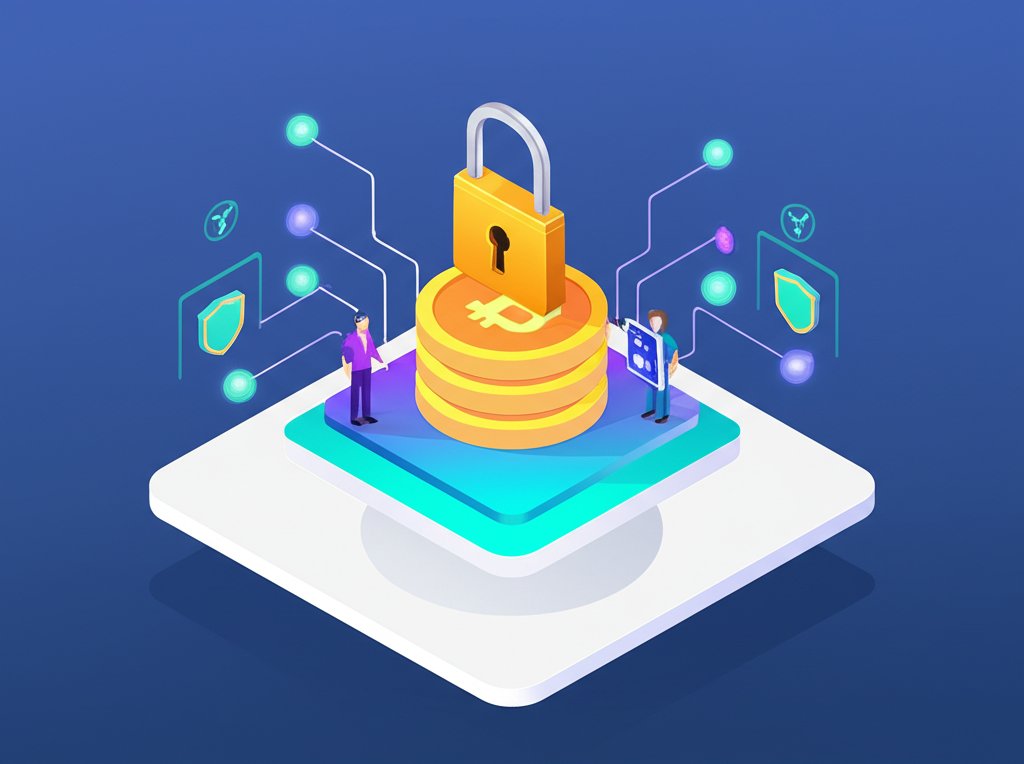
Venturing into the world of cryptocurrency means more than just buying digital assets; it requires securing them. Your cryptocurrency wallet isn't a physical pouch holding coins; instead, it's a vital piece of software that allows you to store, send, and receive digital currencies by interacting with the blockchain. Choosing the right wallet is perhaps one of the most critical decisions you'll make in your crypto journey, directly impacting the safety and accessibility of your investments.
This guide will demystify cryptocurrency wallets, helping you understand their core mechanics, explore different types, and equip you with the knowledge to make informed decisions. We'll connect you to deeper insights on every facet of wallet management, ensuring your digital assets are not just stored, but stored safely and intelligently.
Understanding the Essentials: Your Keys to the Crypto Kingdom

At its heart, a cryptocurrency wallet manages two crucial components: your public key and your private key. Think of your public key as your bank account number—it's the address you share for others to send you funds. Your private key, however, is like your debit card PIN. It grants you access and control over your digital funds, and its security is paramount. Never, ever share your private key. While you might wonder where your bitcoins are truly stored, it's important to remember your wallet simply holds the cryptographic keys to them, not the coins themselves.
The fundamental distinction in wallets lies in their connectivity: "hot" or "cold." Hot wallets are connected to the internet, offering convenience for frequent transactions but generally less security due to their online exposure. Cold wallets, conversely, store your private keys offline, significantly enhancing security for long-term holdings. This initial understanding is crucial as you begin to explore crypto coin wallets and consider your personal needs.
Exploring the Landscape of Cryptocurrency Wallets
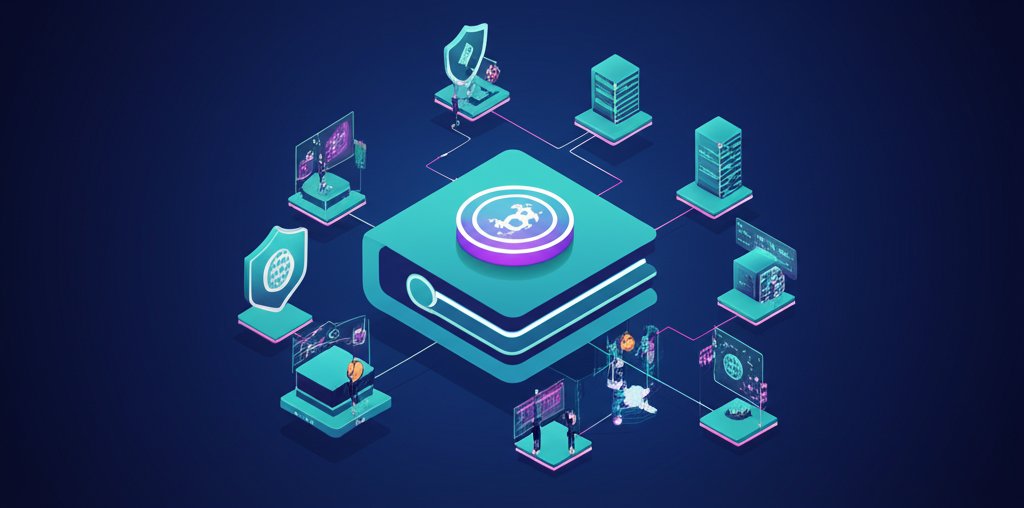
The ecosystem of crypto wallets is diverse, each type offering a unique blend of convenience, security, and functionality. Your choice will largely depend on your trading habits, the amount of crypto you hold, and your comfort with technology.
Software Wallets: Convenience at Your Fingertips
Software wallets, often called "hot wallets," are applications or programs installed on a device or accessible via a web browser. They're popular for their ease of use and accessibility, making them ideal for everyday transactions or active trading. However, their internet connectivity means they are inherently more susceptible to online threats.
- Desktop Wallets: These are applications downloaded and installed directly onto your computer. They offer a good balance of security (as long as your computer is secure) and control, as you typically hold your private keys.
- Mobile Wallets: Similar to desktop wallets but designed for smartphones, mobile wallets provide on-the-go access to your funds. Many feature QR code scanning for easy transactions.
- Web3 Wallets: These browser-based wallets are specifically designed to interact with decentralized applications (dApps) and the broader Web3 ecosystem. They allow seamless participation in DeFi (Decentralized Finance) and NFT marketplaces. To truly discover the best DeFi wallets, you'll want to explore options known for robust dApp integration.
- Exchange Wallets (Custodial): When you keep your crypto on an exchange like Coinbase or Binance, you're using a custodial wallet. The exchange holds your private keys, making it convenient for trading but introducing a counterparty risk. While some offer enhanced security like Coinbase Wallet (non-custodial), others, like Coinbase Exchange Primary, manage your keys. Comparing options like Trust Wallet vs Coinbase Wallet can help clarify the differences in custody and features. It's also worth noting that some popular digital payment solutions are exploring crypto, but you might wonder can your iPhone use Google Wallet for crypto transactions. Regardless of your choice, it’s critical to understand how to improve hot wallet security to protect your digital assets. For those managing diverse portfolios across different blockchains, learning about multi-chain wallets is invaluable.
Hardware Wallets: The Ultimate in Offline Security
Hardware wallets are physical devices specifically designed to store your private keys offline, making them the most secure option for safeguarding significant amounts of cryptocurrency. They keep your keys isolated from internet-connected devices, protecting them from online hacks and malware. If you're serious about security, you need to understand what is a hardware wallet and learn how cold wallets work.
These devices only connect to the internet briefly when you need to sign a transaction, and even then, your private keys never leave the device. Popular examples include Ledger and Trezor, which offer robust security features for long-term storage. For those looking to secure specific assets, understanding how to secure your XRP with cold storage is a smart move. You can even explore crypto USB stick guide Learn more about these physical storage solutions. Many beginners find it beneficial to explore the best cold wallets for beginners to get started with this secure option.
Making Your Choice: Factors for a Secure Digital Home
Selecting the ideal crypto wallet involves weighing several key factors. The decision often comes down to a trade-off between security and convenience. Do you prioritize easy, fast access, or maximum protection against sophisticated threats? Answering this will guide you in determining which crypto wallet should you choose – hardware vs. software.
Consider the following:
- Security vs. Convenience: Hot wallets offer convenience, cold wallets offer security. A common strategy is to use a hot wallet for small, active funds and a cold wallet for significant, long-term holdings.
- Ease of Use: For newcomers, user-friendly interfaces are crucial. Wallets like Coinbase Wallet are lauded for their accessibility, while more advanced users might appreciate the deeper features of others.
- Supported Cryptocurrencies: Not all wallets support all cryptocurrencies. If you hold a diverse portfolio, ensure your chosen wallet supports all your assets. You can explore cryptocurrency status to check supported coins and network compatibility.
- Security Features: Look for features like two-factor authentication (2FA), multi-signature support, and secure element chips in hardware wallets.
- Reputation and Developer Support: A wallet from a reputable developer with strong community support and regular updates is often a safer bet.
- Cost: While many software wallets are free, hardware wallets come with a price tag. Investing in a quality hardware wallet is a small price to pay for enhanced security. For example, you might look for a ledger coupon to make this investment more affordable.
Specific Wallet Spotlights & Advanced Considerations
Many wallets stand out for their specific features or target users. For those just starting with hardware security, you might want to open your first ledger guide. If you're exploring alternatives, a review of Trezor wallet can provide valuable insights, and a direct comparison of Trezor vs Ledger helps highlight their unique strengths. New technologies are also emerging, such as Tangem wallets, prompting questions like is Tangem wallet safe? How secure and guides on how to use your Tangem wallet and best places to buy Tangem Wallet.
Beyond the popular choices, you might encounter ecosystem-specific wallets. To get started with Base Wallet or explore the QFS Wallet App guide, you'll delve into platforms often tied to specific blockchain initiatives or financial systems, including QFS Wallet.
For those interested in niche assets, dedicated strategies exist. You might want to track your meme coin wallets or explore utility crypto coins that power decentralized applications. Beyond that, specialized assets like cryptocurrency backed by silver or understanding specific tokens like Red Coin and Trust Coin also require careful wallet consideration. Even mining activities have specific wallet needs; explore a wallet miner guide or learn more about usb miner technology. And for specific global interests, understanding options like 幣 coin can be valuable.
Fortifying Your Digital Assets: Essential Security Practices
No matter which wallet you choose, your vigilance is the ultimate safeguard. Implement strong, unique passwords and enable two-factor authentication (2FA) wherever possible. Regularly update your wallet software to benefit from the latest security patches. Always back up your wallet's seed phrase (a series of words that can restore your wallet), and store it securely offline in multiple locations.
Remember the golden rule: Never share your private key or seed phrase with anyone. Scammers often impersonate support staff or offer fake opportunities to trick you into revealing these critical pieces of information. By splitting your assets between a hot wallet for active use and a cold wallet for long-term storage, you create a robust defense strategy, balancing convenience with impenetrable security.
Your Journey into Secure Crypto Management
Choosing and managing your cryptocurrency wallet is an ongoing process of learning and adaptation. As the crypto landscape evolves, so too will the tools and best practices for securing your assets. By staying informed and diligent, you empower yourself to navigate the digital frontier with confidence. Your digital asset portfolio is valuable, and with the right wallet strategy, you can ensure it remains secure for years to come.