When you first step into the bustling world of cryptocurrency, terms like "幣 coin" and "token" get thrown around with dizzying frequency. It's easy to feel like you need a secret decoder ring just to keep up. But for anyone looking to invest wisely—whether you're dipping your toes in or diving headfirst—understanding the fundamental differences between a crypto coin and a crypto token isn't just helpful; it's absolutely essential. It shapes your strategy, manages your risk, and ultimately, defines your potential for success.
This guide will cut through the noise, offering a seasoned journalist's perspective on these core digital assets. We'll demystify what makes a coin a coin and a token a token, explore their distinct roles in the crypto ecosystem, and, most importantly, show you how to leverage this knowledge to make smarter investment decisions. Let's illuminate the path to becoming a more confident crypto investor.
At a Glance: Coin Versus Token
Before we dive deep, here’s a quick rundown of the essential distinctions:
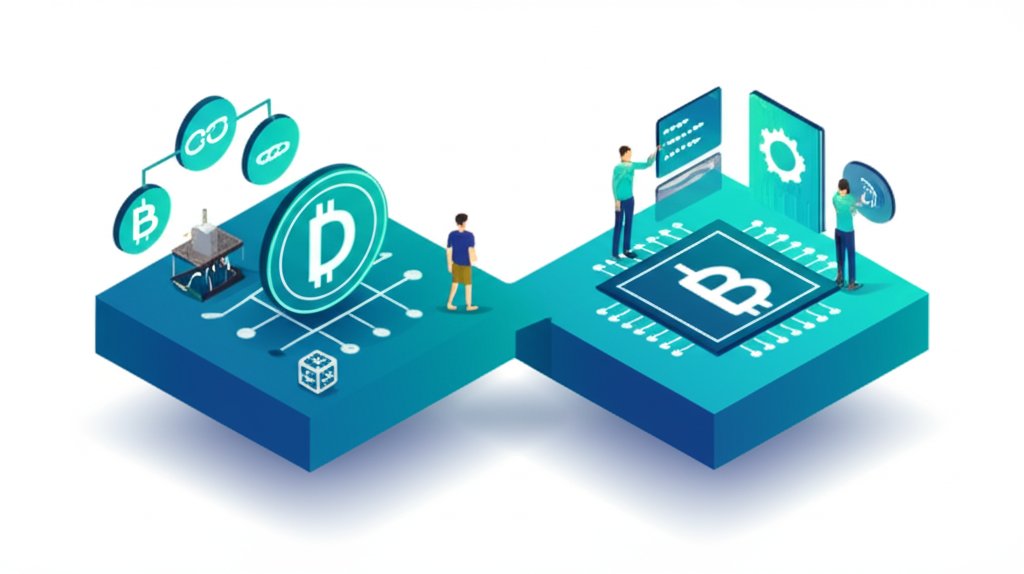
- Coins are the native currency of their own blockchain (think Bitcoin on the Bitcoin blockchain).
- Tokens are built on existing blockchains (like ERC-20 tokens on Ethereum).
- Coins function primarily as money, transaction fees, and mining rewards.
- Tokens represent a vast array of rights, assets, or functions within specific applications.
- Coins typically offer more stability due to their foundational role, appealing to long-term investors.
- Tokens often present higher volatility and diverse use cases, attracting short-term, higher-risk opportunities.
The Bedrock of Digital Value: What Exactly is a Coin?
Imagine the internet without TCP/IP or a country without its own fiat currency. That's essentially what a blockchain would be without its native coin. A Coin, often simply called "幣 coin" in conversation, is a digital asset that operates on its own, independent blockchain. It's the fundamental unit of value and the lifeblood of that entire decentralized network.
Think of Bitcoin (BTC). It's the native coin of the Bitcoin blockchain. Or Ethereum (ETH), which powers the Ethereum blockchain. These aren't just digital representations of money; they are the money that fuels their respective ecosystems.
Core Features of a Crypto Coin:
- Own Blockchain: This is the defining characteristic. A coin doesn't just run on a blockchain; it is the reason that blockchain exists. It acts as the backbone, the infrastructure, and the operating system all rolled into one.
- Foundation of the Ecosystem: Coins are the base layer upon which other applications, tokens, and smart contracts can be built.
- Primary Functions:
- Payment: Directly used to send and receive value across its network.
- Transaction Fees: Every operation on a blockchain costs a small fee (gas fees on Ethereum, for example), paid in the native coin.
- Mining/Staking Rewards: New coins are often minted and distributed as rewards to miners or validators who secure the network.
Why Coins Matter for Investors:
Because coins underpin entire ecosystems, their value is inherently tied to the success, security, and adoption of their respective blockchains. This foundational role often lends them a degree of stability compared to tokens. For investors seeking relatively lower risk and longer-term potential, established coins like BTC and ETH are often the first port of call. Their success often reflects the broader health and innovation of the crypto space.
Beyond the Blockchain: Unpacking the World of Tokens
If coins are the operating systems, then Tokens are the applications built on top of them. A token (or "代幣" in Chinese, meaning a pass or a substitute currency) is a digital asset that doesn't have its own native blockchain. Instead, it relies on an existing public blockchain, such as Ethereum (ETH), Binance Smart Chain (BSC), or Solana, to facilitate its creation, management, and transactions.
Tokens are typically created using smart contracts on these host blockchains, adhering to specific protocol standards (like ERC-20 for Ethereum tokens). This makes them incredibly flexible, low-cost to issue, and fast to deploy. You can think of them as programmable assets that can represent almost anything of value or utility.
Core Features of a Crypto Token:
- No Native Blockchain: This is the key differentiator. Tokens leverage the security and infrastructure of an established blockchain.
- Smart Contract Issuance: They are created through smart contracts, making the process efficient and adaptable.
- Protocol Standards: Tokens often follow specific standards (e.g., ERC-20, BEP-20) that ensure compatibility and interoperability across the host blockchain's ecosystem.
Types of Tokens and What They Represent:
The world of tokens is incredibly diverse, reflecting the myriad applications being built on blockchain technology. The ground truth research highlights three main types:
- Payment Tokens: These are designed primarily for value transfer, often pegged to fiat currencies to maintain stable prices.
- Example: USDT (Tether). A stablecoin designed to maintain a 1:1 peg with the US dollar, used for quick transfers and hedging against volatility.
- Utility Tokens: These tokens grant holders access to a specific product or service within a decentralized application (dApp) or platform. They represent future access rights.
- Example: UNI (Uniswap). Holders can use UNI tokens to participate in the governance of the Uniswap decentralized exchange, voting on key proposals and protocol upgrades.
- Asset-Backed / Security Tokens: These tokens represent ownership of an underlying asset, which could be physical (like real estate or gold) or digital (like company shares). They often carry regulatory implications due to their resemblance to traditional securities.
- Example: MKR (MakerDAO). MKR holders govern the Maker Protocol, which issues the Dai stablecoin, effectively managing a decentralized bank.
Why Tokens Matter for Investors:
Tokens offer a glimpse into the innovative edge of the crypto space. Their applications are incredibly diverse, from decentralized finance (DeFi) to gaming, NFTs, and supply chain management. This diversity, however, comes with a trade-off: higher volatility and increased risk.
The value of a token is highly dependent on the success and adoption of the specific project or application it supports. While this can lead to explosive growth for successful projects, it also exposes investors to greater price swings and the risk of "fake tokens" or projects that fail to deliver. When investing in tokens, diligent research into the project's whitepaper, team, and contract address is paramount, as is choosing reputable trading platforms like Binance or Coinbase. The sheer volume and variety of 幣 coin options can be overwhelming, making careful selection key.
Navigating the Investment Landscape: Coin vs. Token for Your Portfolio
Understanding the technical differences is one thing, but how do these distinctions translate into practical investment strategies? The choice between coins and tokens largely depends on your risk tolerance, investment horizon, and financial goals.
Investing in Coins: The Foundation for Stability
Coins, by virtue of supporting entire blockchain infrastructures, tend to offer a more stable—though still volatile by traditional standards—investment. Their value is intrinsically linked to the success and widespread adoption of their underlying blockchain.
- Risk Profile: Generally lower risk compared to tokens, especially for established coins like Bitcoin and Ethereum. They are often seen as "blue-chip" crypto assets.
- Investment Horizon: Ideal for long-term, steady investors. You're betting on the enduring relevance and growth of a foundational technology.
- Value Drivers: Network effects, security, decentralization, developer activity, and institutional adoption.
- Examples: Bitcoin (BTC), Ethereum (ETH), Solana (SOL), Cardano (ADA).
For those prioritizing a more conservative approach in crypto, focusing on high-market-cap coins with robust ecosystems is often the recommended starting point. The idea is to participate in the overall growth of the decentralized web, rather than individual application success.
Investing in Tokens: Unlocking High-Potential, High-Risk Opportunities
Tokens represent a more dynamic and, frankly, riskier side of crypto investing. Their value is tied to the success of specific applications, protocols, or use cases.
- Risk Profile: Higher risk due to dependence on specific project success, market speculation, and greater price volatility. There's also a higher chance of encountering "fake tokens" or projects that never gain traction.
- Investment Horizon: Suited for short-term, high-potential opportunities and investors with a higher risk tolerance.
- Value Drivers: Utility, adoption of the underlying application, community strength, innovation, and potential for rapid growth.
- Actionable Advice for Token Investors:
- Verify Contract Address: Always double-check the token's contract address against official project sources to avoid scams.
- Use Trusted Platforms: Stick to well-established exchanges like Binance, Coinbase, or Kraken for purchasing and trading tokens.
- Thorough Due Diligence: Research the project's whitepaper, team, technology, and community. Understand the problem it solves and its competitive landscape.
- Examples: Uniswap (UNI), Polygon (MATIC), Aave (AAVE), Chainlink (LINK).
While tokens can offer exponential returns, they demand a more active and informed investment approach. It’s a space where deep dives into project fundamentals and a keen eye for market trends are rewarded. When considering the vast landscape of 幣 coin choices, tokens offer a different type of potential.
Crafting Your Crypto Strategy: When to Choose Which
Your investment strategy should always align with your personal financial goals and risk tolerance. Here’s a general framework for deciding between coins and tokens:
- For Long-Term, Steady Growth: If you're a patient investor looking to build wealth over years, prioritize Coins like Bitcoin (BTC) and Ethereum (ETH). These assets have proven resilience and are foundational to the broader crypto economy. They are less susceptible to the whims of individual project failures.
- For Short-Term, High-Potential Gains (with High Risk): If you're comfortable with significant volatility and have done your homework, Tokens can offer explosive growth opportunities. Focus on promising utility or asset-backed tokens from projects with strong fundamentals and clear use cases (e.g., UNI, MATIC). Crucially, implement robust risk control measures, such as stop-loss orders and diversification.
- For Beginners: The recommended path for newcomers is to start with Coins. Get familiar with market dynamics, wallet management, and exchange operations using more stable assets. Once you've gained confidence and a deeper understanding of the space, then gradually explore the token market with smaller portions of your portfolio. This phased approach helps you learn without risking too much capital on speculative projects. Many beginners often ask about "幣 coin" and this foundational knowledge helps them make informed decisions.
Understanding Market Cap and Trading Volume: Your Data Compass
To navigate the crypto markets effectively, you need reliable metrics. Market capitalization and trading volume are two of the most critical indicators for evaluating a digital asset's size, liquidity, and overall health.
Market Capitalization (Market Cap)
Market Cap refers to the total value of all circulating coins or tokens of a specific cryptocurrency. It's calculated with a simple formula:Market Cap = Total Circulating Supply × Current Price
- Purpose: Market cap is a key metric for ranking cryptocurrencies and assessing their overall size and influence in the market. It provides a more comprehensive picture of a project's value than just its price per unit.
- Categories (as per ground truth):
- High Market Cap (> $10 Billion): These are the giants of the crypto world, like Bitcoin (BTC) and Ethereum (ETH). They typically offer more stability but potentially slower growth.
- Medium Market Cap ($1 Billion to $10 Billion): These projects are well-established but still have significant room for growth. They often represent a balance between risk and reward.
- Low Market Cap (< $1 Billion): These are often newer projects with high growth potential but also higher risk. They can be very volatile.
Current Market Insights (from CoinGecko data): - The global cryptocurrency total market capitalization stands at an impressive $4.0 trillion.
- Bitcoin (BTC) commands a significant market dominance of 57.0%.
- Ethereum (ETH) follows with 12.7% market dominance.
- CoinGecko tracks a staggering 19,208 cryptocurrencies, illustrating the vastness of the market.
24-Hour Trading Volume
This metric represents the total amount of a specific cryptocurrency that has been bought and sold across all spot markets within the last 24 hours.
- Purpose: Trading volume is an indicator of liquidity and investor interest. High trading volume typically means it's easier to buy or sell an asset without significantly impacting its price. Low volume can indicate illiquidity, making large trades difficult.
- Global Data (from ground truth): The total trading volume across all cryptocurrencies yesterday was $260 billion.
- Price Discrepancies: It's important to note that the exchange rate for a given cryptocurrency can differ across various exchanges. This is influenced by factors like each market's liquidity, available trading pairs, and specific product offerings. Therefore, always check multiple sources if you're looking for the most current or best price.
By closely monitoring market cap and trading volume, investors can gain valuable insights into the health, popularity, and liquidity of different 幣 coin options, helping them make more informed decisions.
Pitfalls and Protections: Staying Safe in Crypto
The dynamic nature of the crypto market, while offering immense opportunities, also comes with its share of risks. Being a savvy investor means not just understanding potential gains but also proactively mitigating potential losses.
Beware of Fake Tokens and Scams
The ease of token creation, while revolutionary, also makes it simple for malicious actors to launch fraudulent projects. These "fake tokens" might mimic legitimate projects, aiming to trick unsuspecting investors into buying worthless assets.
- Protection: Always verify the contract address. Before making any purchase, cross-reference the token's contract address with the official project website, reputable block explorers (like Etherscan for Ethereum tokens), or trusted listing sites like CoinGecko or CoinMarketCap. If the addresses don't match, it's likely a scam.
- Red Flags: Unsolicited offers, promises of impossibly high returns, poorly designed websites, anonymous teams, and pressure to invest quickly are all signs of potential scams.
Platform Security: Choose Wisely
Your choice of cryptocurrency exchange or wallet significantly impacts the security of your assets.
- Protection: Stick to well-established, regulated, and reputable platforms such as Binance, Coinbase, Kraken, or Bybit. These exchanges invest heavily in security measures, insurance, and compliance. For storing larger amounts long-term, consider hardware wallets (cold storage) for maximum security.
- Be Skeptical: Avoid unknown or newly launched exchanges without a proven track record. Be cautious of platforms offering unusually low fees or unrealistic incentives.
Managing Volatility and Market Swings
Both coins and tokens are subject to extreme price volatility, which can lead to rapid gains or significant losses.
- Protection:
- Don't Invest More Than You Can Afford to Lose: This golden rule is especially pertinent in crypto.
- Diversify Your Portfolio: Don't put all your eggs in one crypto basket. Spread your investments across different coins and tokens to reduce risk.
- Implement Risk Control: Use tools like stop-loss orders to limit potential losses. Define your entry and exit strategies before investing.
- Dollar-Cost Averaging (DCA): Invest a fixed amount regularly, regardless of the price. This strategy smooths out your average purchase price over time and reduces the impact of market timing.
The Power of Due Diligence
In crypto, information is your most valuable asset. Blindly following hype or "influencer" recommendations is a recipe for disaster.
- Protection:
- Research, Research, Research: Understand the technology, the problem a project solves, its team, its roadmap, its community, and its tokenomics (how the token is distributed and used).
- Stay Informed: Follow reputable crypto news sources, analyze market trends, and understand global economic factors that might influence crypto prices.
- Community Engagement: While not a sole source of truth, observing a project's community (e.g., on Discord, Telegram, Reddit) can give you insights into its vibrancy and support.
By adopting these protective measures, you can navigate the exciting yet hazardous waters of the crypto market with greater confidence, transforming potential pitfalls into opportunities for informed growth.
Your Next Steps in the Digital Asset World
You've now got a solid grasp of the core differences between a crypto coin and a crypto token, and how these distinctions shape investment strategies. This knowledge isn't just academic; it's a practical toolkit for making more informed decisions in a market that constantly evolves.
The world of 幣 coin can seem daunting, but by focusing on these fundamentals, you're building a strong foundation. Whether you choose the relative stability of a foundational coin or the high-growth potential of a specific token, remember these guiding principles:
- Start with the Basics: If you're new, begin with established coins like Bitcoin and Ethereum. Familiarize yourself with how they work before venturing into more complex tokens.
- Align with Your Goals: Define your investment horizon and risk tolerance. Are you a long-term hodler or a short-term trader? Your answer will guide your coin/token allocation.
- Prioritize Security: Always use reputable exchanges and consider cold storage for significant holdings. Verify contract addresses for tokens to avoid scams.
- Never Stop Learning: The crypto space is incredibly dynamic. Stay updated on market trends, technological advancements, and regulatory changes. Continuous learning is your best defense against volatility and misinformation.
- Manage Risk: Diversify your portfolio, understand that losses are part of the game, and never invest more than you can comfortably lose.
The digital asset frontier is vast and full of innovation. By approaching it with a clear understanding of coins versus tokens, coupled with a commitment to due diligence and smart risk management, you're well-equipped to participate in its exciting journey. Now, go forth and invest wisely!